
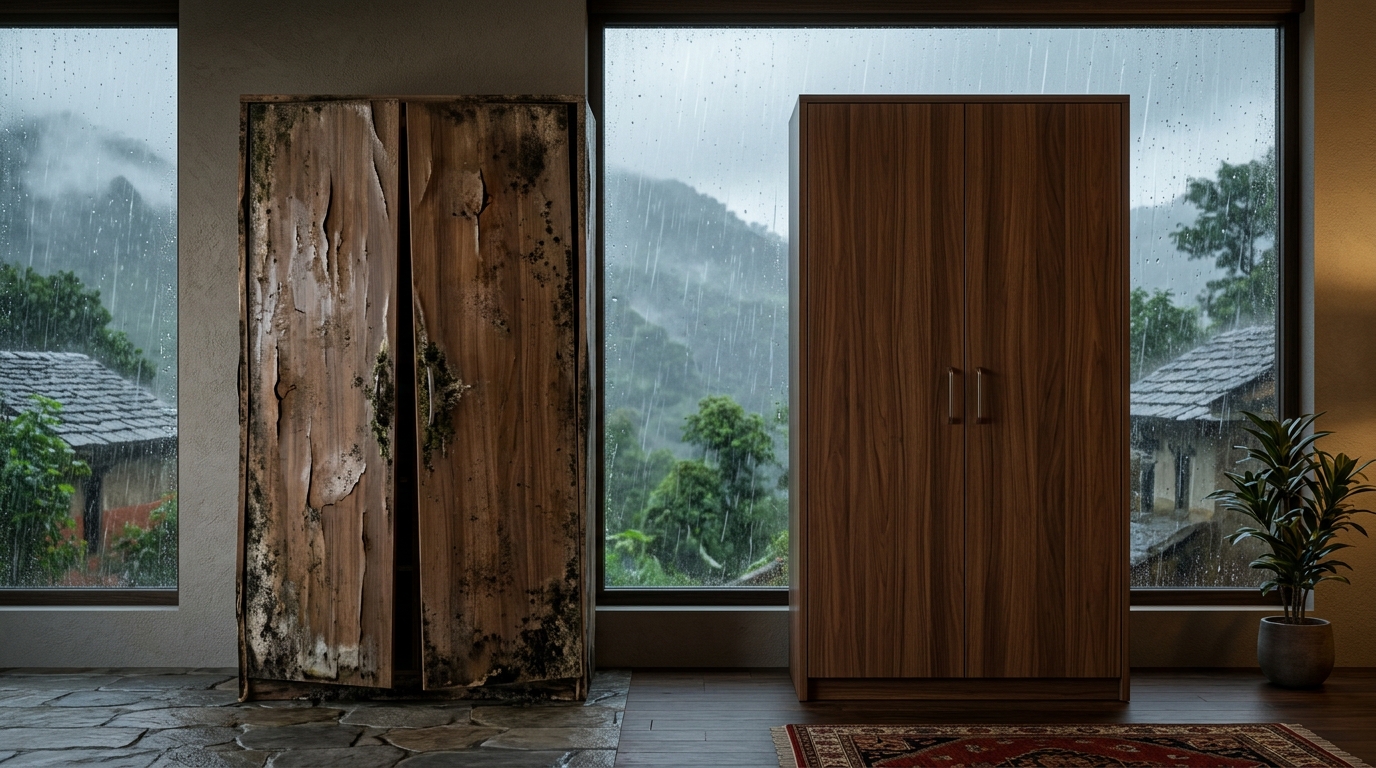
Why Plywood Furniture Turns Black and Smells After Monsoon (And How Waterproof Plywood Saves You Thousands)
Every year, as Nepal’s monsoon begins, thousands of homeowners notice something alarming.
The wardrobe starts smelling musty.
The kitchen cabinet develops tiny black spots.
The bed begins to swell near the edges.
The laminate starts lifting.
Most people assume this happens because of rain.
But the truth is different.
Rain itself rarely damages furniture.
Moisture does.
And more importantly, the quality of plywood hidden beneath the laminate determines whether your furniture survives one monsoon or twenty.
If you’ve ever wondered why your neighbor’s furniture still looks new while yours already smells damp after just a few rainy seasons, this guide will explain exactly why.
Why Does Plywood Turn Black During Monsoon?
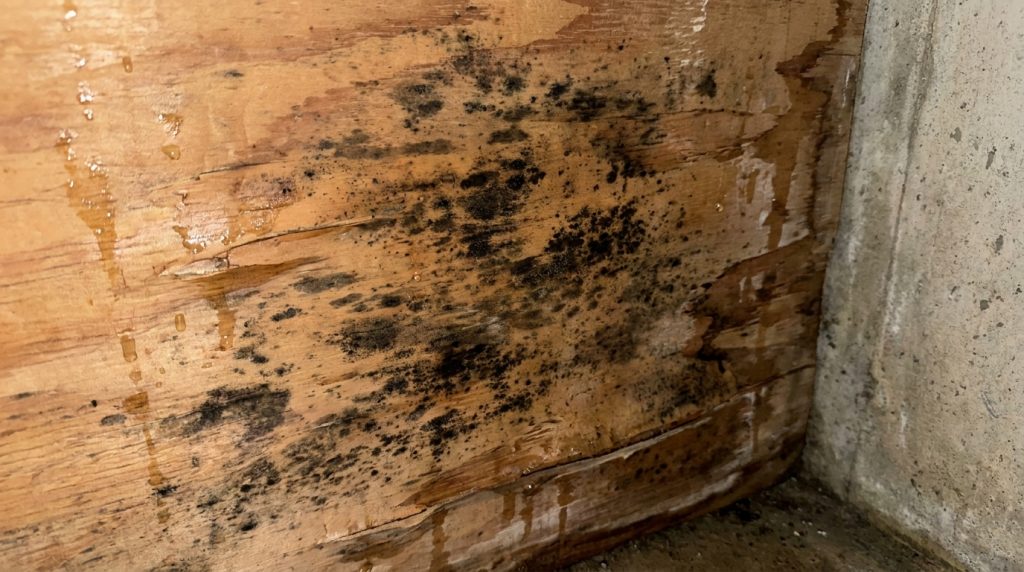
The black stains aren’t usually paint damage.
They’re mold.
When moisture enters ordinary plywood, the wooden veneers absorb water like a sponge.
Inside the plywood:
- moisture gets trapped
- fungus begins growing
- bacteria multiply
- mold spreads through the wood fibers
Eventually the moisture reaches the surface.
That’s when you notice:
- black dots
- dark patches
- unpleasant odor
- peeling laminate
Unfortunately, by this stage the plywood has already started deteriorating from inside.
Why Nepal’s Climate Makes It Worse
Nepal experiences one of the longest humid seasons in South Asia.
Cities like:
- Kathmandu
- Biratnagar
- Jhapa
- Chitwan
- Butwal
- Pokhara
often experience humidity levels above 80%.
That means furniture is constantly exposed to moisture—even if rain never touches it directly.
Moisture enters through:
- humid air
- kitchen steam
- bathroom condensation
- wet clothes
- leaking windows
- damp floors
Poor-quality plywood absorbs this moisture continuously.
The Hidden Reason Cheap Plywood Fails
Many buyers believe:
“All plywood is basically the same.”
It isn’t.
Two wardrobes may look identical outside.
Inside, they can be completely different.
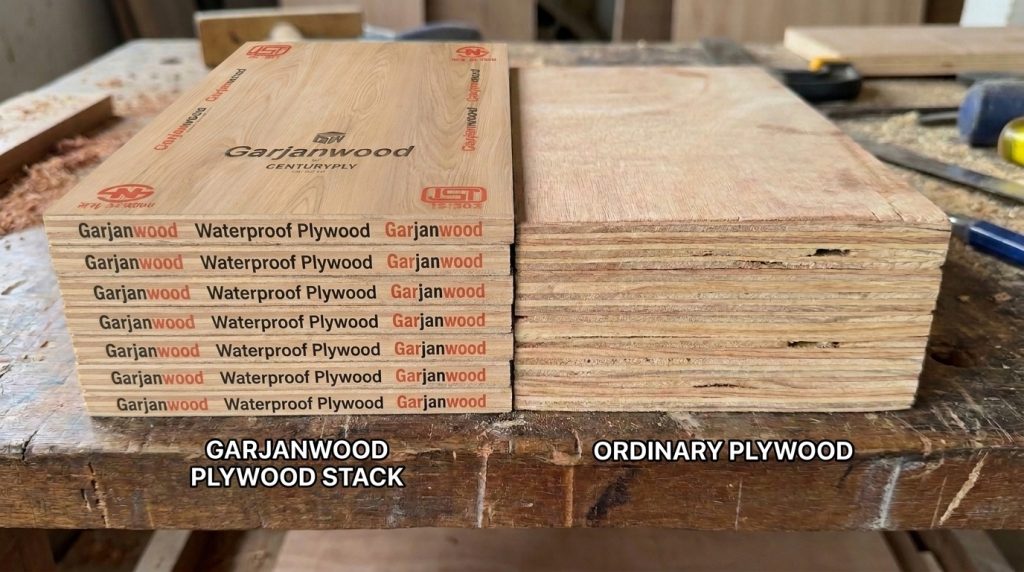
Cheap plywood often contains:
- lower-density core veneers
- more internal gaps
- inferior glue
- untreated wood
- poor moisture resistance
These hidden defects allow water to travel deep inside the board.
The damage usually appears only after one or two rainy seasons—when warranties may no longer help.
How Waterproof Plywood Works
Waterproof plywood is manufactured differently.
Instead of ordinary adhesive, premium waterproof plywood uses high-performance waterproof bonding systems that resist prolonged moisture exposure.
Quality waterproof plywood also features:
- tightly bonded veneer layers
- minimal internal voids
- superior dimensional stability
- enhanced resistance to fungal growth
- better resistance to delamination
As a result:
✔ less water absorption
✔ reduced swelling
✔ stronger screw holding
✔ longer furniture life
Early Warning Signs Most Homeowners Ignore
Furniture rarely fails overnight.
Watch for these warning signs:
Musty Smell
The first sign of trapped moisture.
Small Black Dots
Usually early fungal growth.
Swollen Edges
Water enters from exposed sides first.
Bubble Under Laminate
The adhesive bond weakens because of moisture.
Soft Corners
Indicates internal wood decay.
Rooms That Need Waterproof Plywood the Most
Kitchen
Steam is generated daily.
Cabinets around the sink face constant moisture.
Bathroom Vanity
Humidity remains high throughout the year.
Utility Area
Washing machines and damp clothes increase moisture exposure.
Ground Floor Bedrooms
Moisture can rise from floors and walls.
Balcony Storage
Outdoor humidity affects enclosed furniture.
Common Mistakes Homeowners Make
Choosing Furniture Based Only on Price
A wardrobe costing NPR 5,000 less today may require replacement much sooner if built with poor-quality plywood.
Ignoring the Core Material
Many buyers focus on:
- laminate design
- color
- handles
- lighting
But the plywood core determines durability.
Assuming “Waterproof” Means Waterproof Forever
No plywood should remain continuously submerged in water.
Waterproof plywood is designed to resist moisture far better than standard interior plywood—not to be permanently underwater.
Simple Tests Before Buying Furniture
Ask the seller:
Which plywood grade is inside?
If they don’t know…
that’s already a warning sign.
Is it suitable for kitchens?
Does it carry recognized quality certification?
Is there manufacturer warranty?
Which brand manufactured the plywood?
Reliable brands are generally more transparent about specifications and certifications.
Why Waterproof Plywood Saves Money
Many homeowners compare only the purchase price.
Instead, compare the cost over 15–20 years.
Cheaper plywood may require:
- repairs
- laminate replacement
- cabinet rebuilding
- new wardrobes
A better-quality waterproof plywood often reduces these long-term expenses through greater durability.
Choosing the Right Plywood for Nepal
Different rooms require different grades.
| Area | Recommended Type |
|---|---|
| Living Room | MR Grade |
| Bedroom | MR Grade |
| Kitchen | BWP Grade |
| Bathroom Vanity | BWP Grade |
| Utility Area | BWP Grade |
| Balcony Storage | BWP Grade |
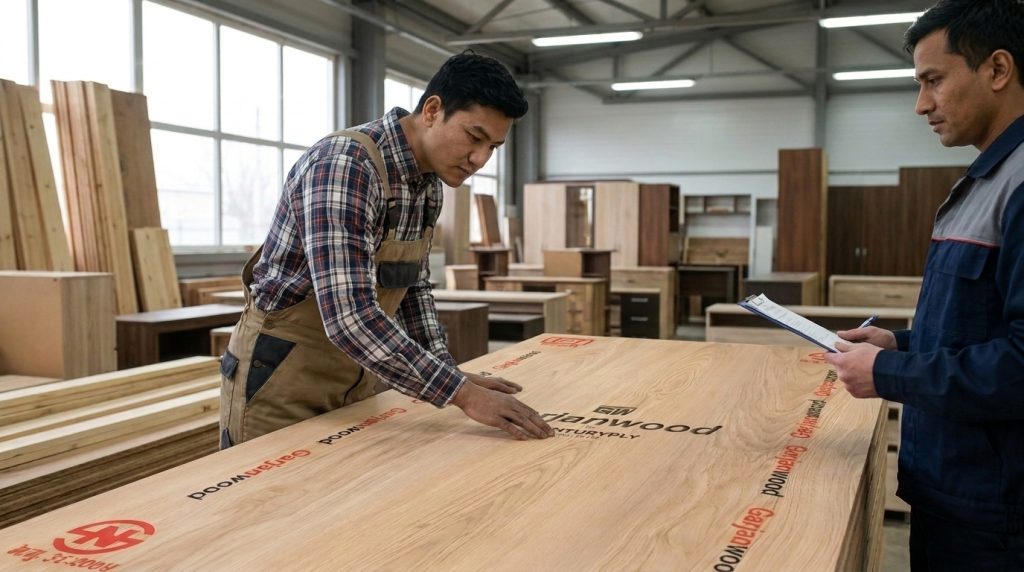
Why Garjanwood by Century Ply is Designed for Nepal
For Nepal’s humid climate, selecting plywood suited to the application is essential.
Garjanwood by Century Ply offers multiple grades, including:
- MR Grade
- BWP Grade
- Fire Retardant Grade
- E0 Grade
This allows homeowners to choose the appropriate plywood for bedrooms, kitchens, wardrobes, commercial interiors, and moisture-prone spaces instead of relying on a one-size-fits-all solution.
Frequently Asked Questions
Why does plywood smell after rain?
Moisture trapped inside the wood encourages mold and bacterial growth, creating a musty odor.
Can black plywood be cleaned?
Surface mold may sometimes be cleaned, but if moisture has penetrated deeply, replacing the affected plywood is often the more durable solution.
Is laminate enough to stop water damage?
No. Laminate protects only the surface. Moisture can still enter through exposed edges, joints, screw holes, or damaged areas.
Which plywood is best for kitchens in Nepal?
For areas with frequent moisture exposure, BWP (Boiling Water Proof) grade plywood is generally the preferred choice.
Does waterproof plywood last longer?
When installed correctly and used in suitable conditions, waterproof plywood typically offers greater durability in humid environments than standard interior-grade plywood.
Final Thoughts
Monsoon doesn’t destroy furniture overnight.
It reveals the weaknesses that were hidden from the day the furniture was built.
Choosing the right plywood before construction is far less expensive than replacing swollen wardrobes, peeling cabinets, or mold-damaged interiors a few years later.
If you’re building a new home or replacing furniture in Nepal, focus on what lies beneath the laminate. A high-quality plywood core is one of the biggest factors determining how well your furniture withstands years of humidity and seasonal changes.