
How to Spot Fake Plywood Before You Get Cheated
Buying plywood should be simple—but in reality, many homeowners end up paying for premium plywood and receiving a lower-grade product instead. Since plywood is hidden beneath laminate or veneer, it’s often difficult to know whether you’re getting what you paid for.
The good news? A few simple checks can help you avoid costly mistakes.
Why Fake Plywood Is a Growing Problem
Unscrupulous sellers may substitute premium plywood with lower-grade alternatives because they look similar on the surface. The difference usually becomes visible only after a year or two, when the furniture begins to swell, warp, or delaminate.
1. Look for the ISI/BIS Certification Mark
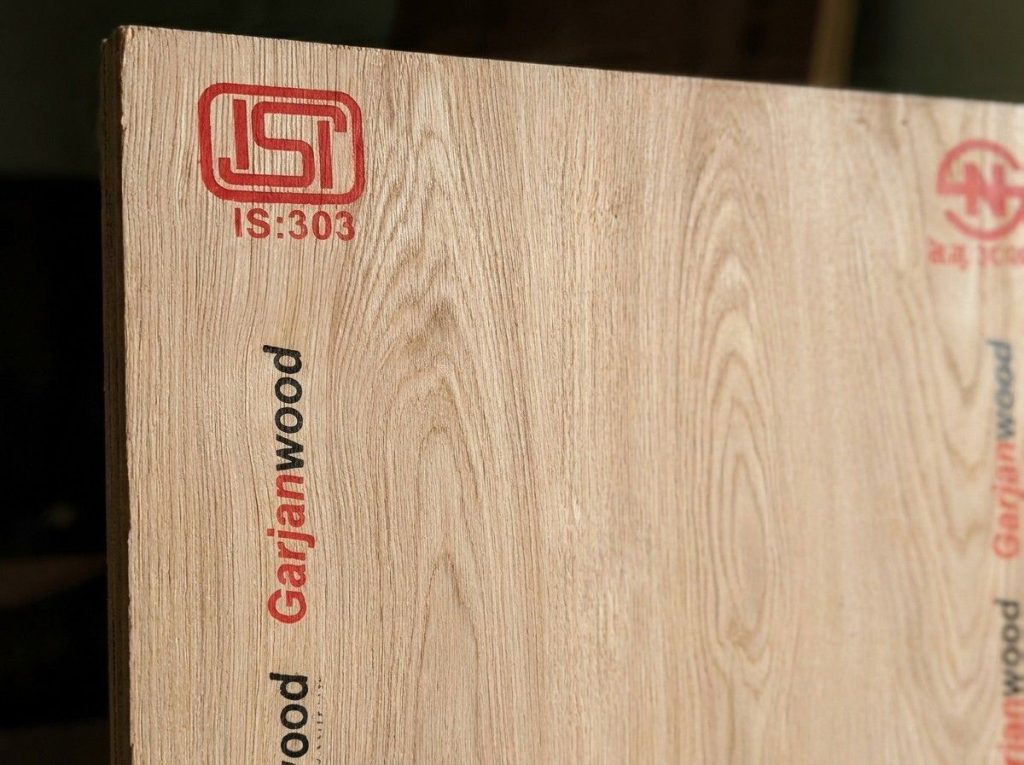
One of the first things to check is whether the plywood carries the ISI/BIS certification.
For moisture-resistant plywood, look for IS:303.
For marine-grade plywood, look for IS:710.
If there is no certification marking, ask the seller why.
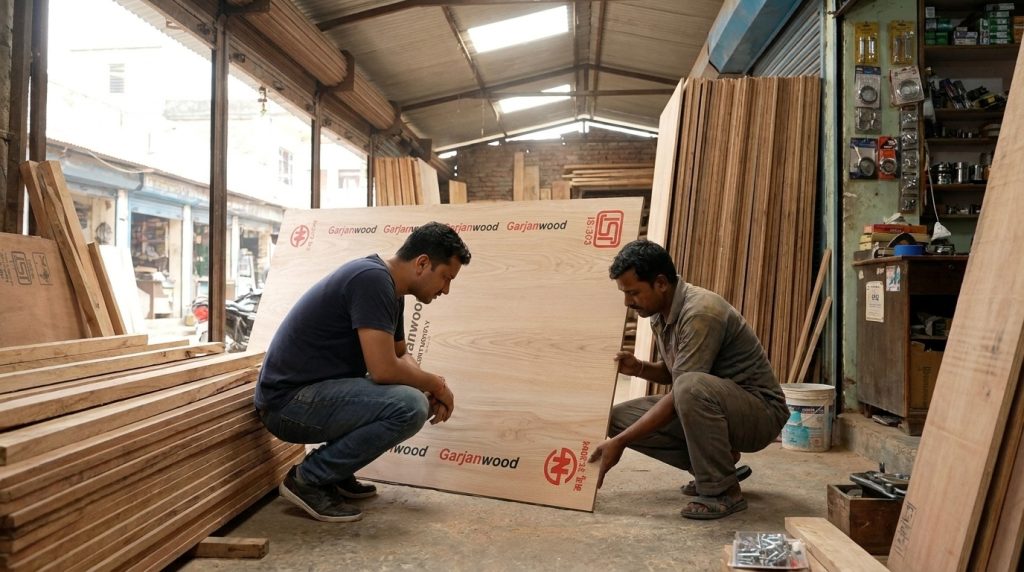
2. Check the Brand Stamp
Reputable manufacturers usually stamp their brand name directly on every plywood sheet.
The logo should be:
- Clear
- Permanent
- Evenly printed
- Consistent across all sheets
Blurred or inconsistent markings can be a warning sign.
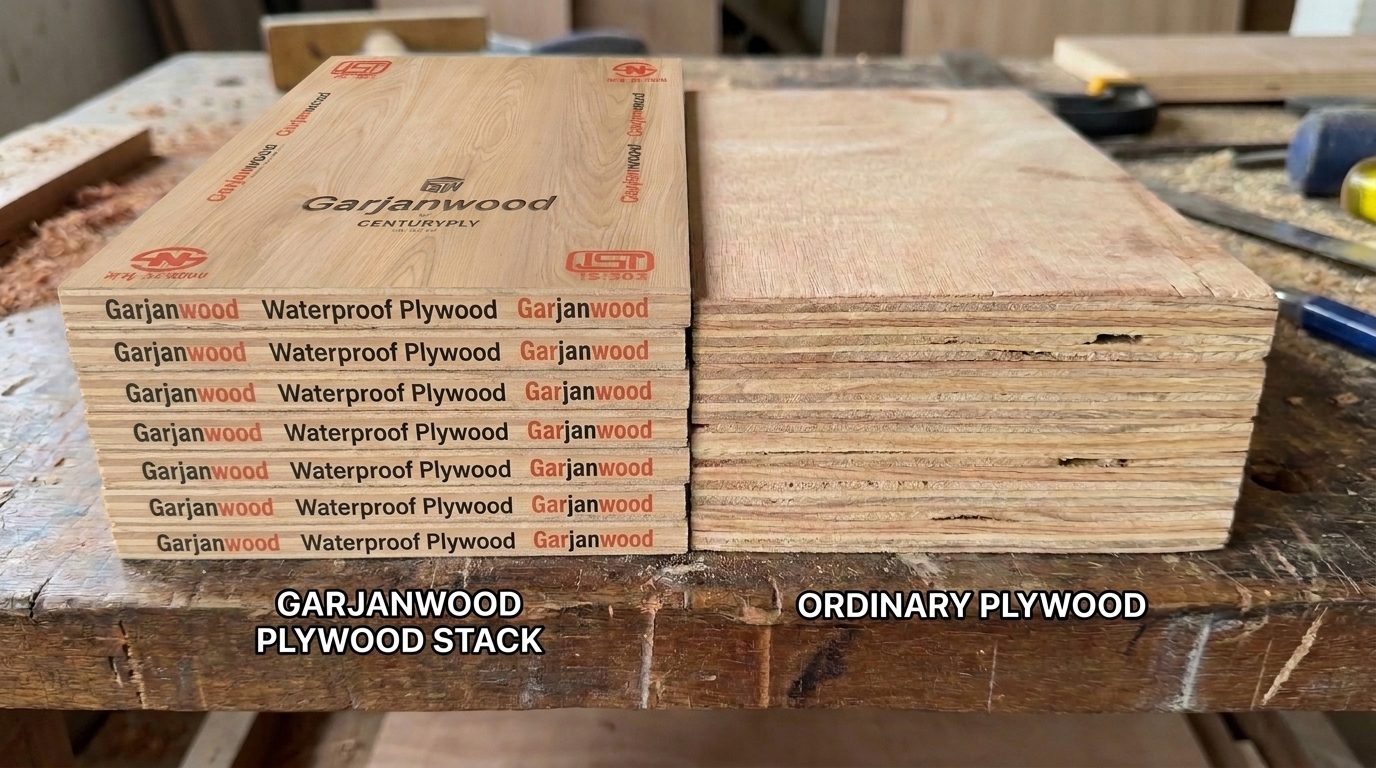
3. Inspect the Edges
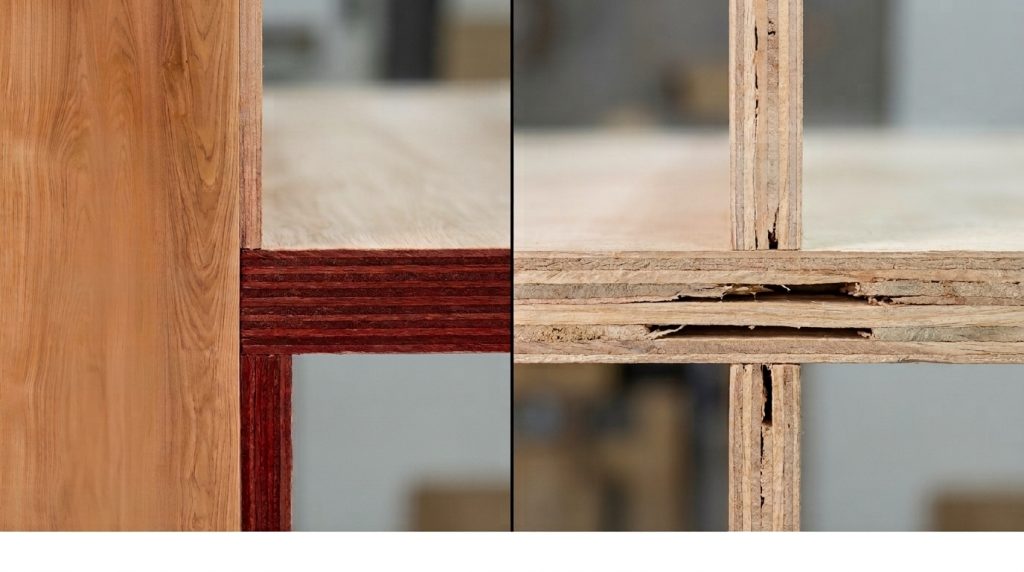
The edge of a plywood sheet reveals a lot about its quality.
Look for:
- Uniform veneer layers
- Minimal gaps
- No visible voids
- Even bonding
Large cavities or uneven layers often indicate lower-quality manufacturing.
4. Ask for the Grade
Not every plywood is designed for the same application.
Common grades include:
| Grade | Best For |
|---|---|
| MR | Bedrooms, wardrobes, living rooms |
| BWP / Marine | Kitchens, bathrooms, high-moisture areas |
Knowing the grade helps ensure you’re buying the right plywood for your project.
5. Ask for the Invoice
A genuine invoice should clearly mention:
- Brand name
- Product grade
- Thickness
- Quantity
Always keep the invoice for warranty or future reference.
6. Buy from an Authorized Dealer
Purchasing from an authorized dealer reduces the risk of receiving counterfeit or substituted products.
Authorized sellers are also more likely to provide genuine product information and manufacturer support.
7. Don’t Choose Based on Price Alone
If one plywood sheet is significantly cheaper than the market price, ask why.
Extremely low prices may indicate:
- Lower grade material
- Counterfeit products
- Inferior glue quality
- Reduced durability
The cheapest option often becomes the most expensive after repairs or replacement.
Quick Checklist Before You Buy
✔ Check for ISI/BIS certification
✔ Verify the brand stamp
✔ Inspect the plywood edge
✔ Confirm the plywood grade
✔ Ask for a proper invoice
✔ Buy from an authorized dealer
✔ Compare prices realistically
Final Thoughts
Choosing genuine plywood isn’t just about getting a better product—it’s about protecting your investment. Spending a few extra minutes checking certifications, inspecting the sheet, and buying from a trusted dealer can save you from expensive repairs later.
If you’re purchasing plywood for your home, always verify that the product matches the specifications you’re paying for, especially when investing in moisture-resistant or structural-grade plywood.