

Nepal’s plywood industry is expanding fast. Learn what growing local manufacturing means for quality, pricing and how to choose plywood that actually lasts.
Nepal Is Making More Plywood Than Ever Before
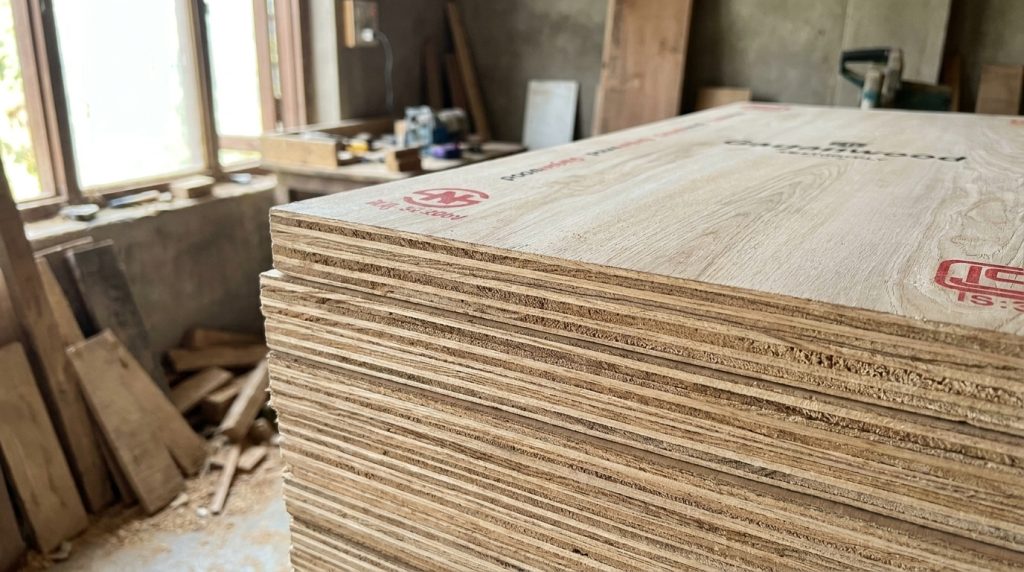
Plywood manufacturing in Nepal has grown quickly over the past decade. Factories along the Sunsari and Morang corridor, plus a handful of new entrants in other regions, are producing more sheets locally instead of relying only on imports. Real estate growth in Kathmandu valley and steady construction activity across the Terai are driving that demand.
More Choices Isn’t Always Better for the Buyer
Here’s the catch: more brands on the shelf means more variation in quality. Not every “waterproof” or “termite proof” claim gets independently tested. Grade names like MR, BWR and BWP get thrown around by sales staff, but buyers rarely get a straight answer about which grade they’re actually taking home.
What Actually Separates a Good Nepali Plywood Brand From a Risky One
- A certification stamp that appears on all four corners, not just printed on the packaging
- Consistent grain and thickness across every sheet in a batch, not just the display piece
- A factory you can trace back to, with a real manufacturing history
- A warranty that’s backed by the company, not just a verbal promise from the dealer
- Clear grade labeling: MR, BWR, or BWP, explained in plain language, not just initials
Where Garjanwood Fits Into This Growth
Garjanwood is manufactured at the Century Ply Industries factory in Barju, Sunsari, with corporate offices in Biratnagar and a branch in Kathmandu. It carries the manufacturing standards of Century Ply, a plywood maker with decades of production history, while being made and sold locally in Nepal. That combination, local manufacturing paired with an established grading system across E0, FR and BWP grades, is what buyers should be looking for as the market keeps expanding.
| Typical Growing Local Brand | Garjanwood | |
|---|---|---|
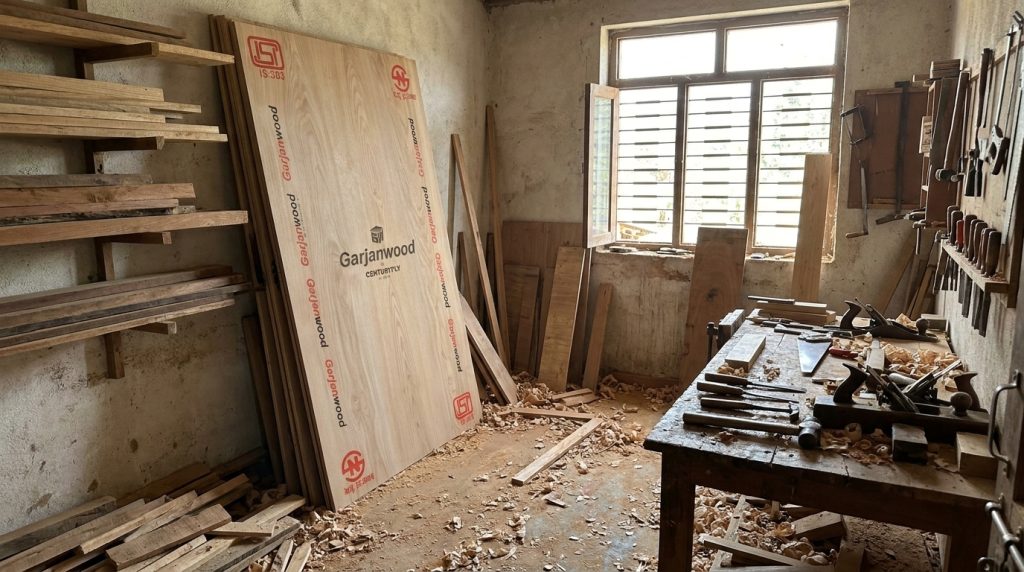
| Certification | Often unverified | IS:303 stamp on all four corners |
| Grade options | Limited or unclear | E0, FR, BWP clearly graded |
| Factory transparency | Hard to trace | Sunsari facility, established backing |
| Grain consistency | Varies sheet to sheet | Consistent pale ivory grain |
Final Thought
A growing industry is good news for Nepal, but it puts more responsibility on the buyer to check before they buy, not just trust the label.