Best Plywood in Nepal: How to Choose the Right Sheet for Your Home
If you’ve ever walked into a plywood shop in Kathmandu, Biratnagar, or Pokhara and asked “which one is the best plywood?”, you’ve probably gotten three different answers from three different shopkeepers. That’s not because they’re lying to you; it’s because “best” means different things depending on what you’re building.
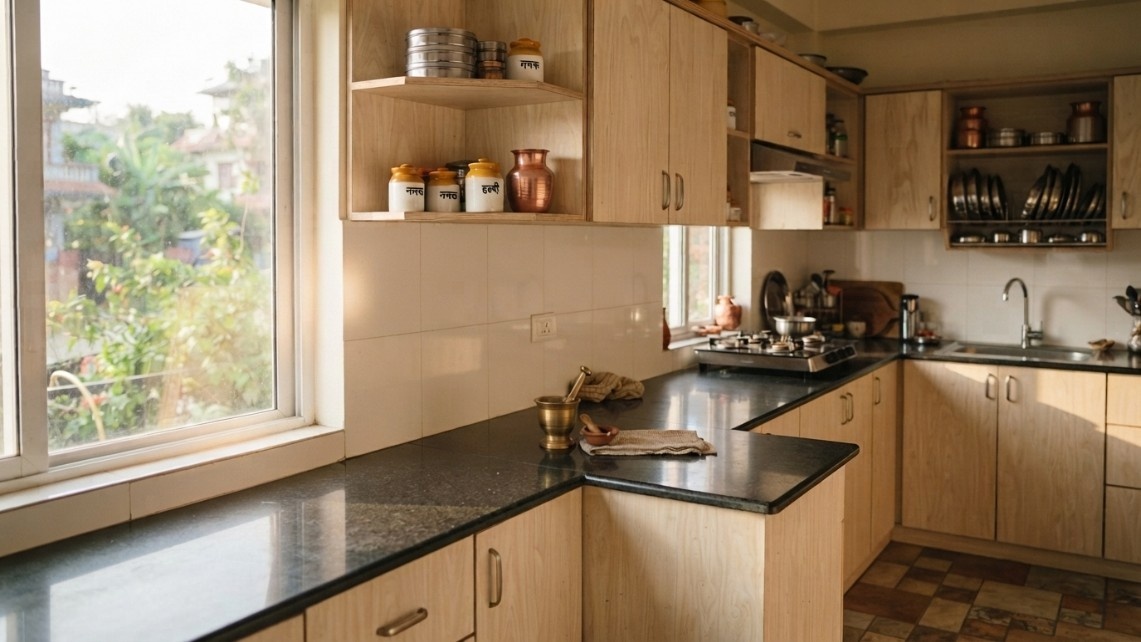
A wardrobe that sits in a dry bedroom doesn’t need the same plywood as a kitchen cabinet that gets steam and water splashed on it every day. So before you spend your hard-earned money, let’s break down what actually makes plywood “the best,” in plain language, no jargon.
What Makes Plywood Good in the First Place?
Plywood is made by glueing thin layers of wood (called veneers) on top of each other, with the grain of each layer running in a different direction. This crisscross structure is what gives plywood its strength. It resists warping and cracking far better than solid wood.
But not all plywood is made the same way. Here’s what separates a good sheet from a bad one:
- Number and quality of veneer layers: More layers, properly bonded, mean more strength and less chance of the sheet bending over time.
- Type of glue used: This decides whether your plywood survives Nepal’s humid monsoon or swells up and delaminates (the layers start separating).
- Core wood species: Denser wood cores hold screws better and resist sagging under weight, which is important for shelves and cabinets.
- Certification: Genuine plywood in Nepal should meet IS:303 standards, the same benchmark used across India. Look for the red circular IS:303 stamp on the edges; it’s a quick way to check you’re not holding a duplicate sheet.
Why “Best Plywood in Nepal” Isn’t Just About Price
A lot of buyers search for the cheapest option first, then regret it two years later when doors start sagging, or edges swell up. Here’s a more useful way to think about it:
Cheap plywood often uses fewer veneer layers, weaker glue, and softer core wood. It might save you a few thousand rupees today, but if it warps or gets eaten by termites in three years, you’re paying to redo the whole thing.
The best affordable plywood isn’t the cheapest; it’s the one that gives you the most years of use per rupee spent. A sheet that costs 20% more but lasts twice as long is the actual bargain.
This is exactly the gap Garjanwood was built to fill: genuine IS:303-certified plywood, priced for real Nepali and Indian households, not just high-end contractors.
What to Physically Check Before You Buy
Next time you’re at a plywood dealer, do these quick checks. They take two minutes and can save you years of regret:
- Look at the edges. Genuine plywood has tightly packed, even layers with no visible gaps. Gaps mean poor bonding, a sign of weak glue.
- Check the surface grain. A good sheet has a clean, consistent wood grain pattern across the whole board, not patchy or painted-looking.
- Feel the weight. For a standard 19mm, 8×4 ft sheet, genuine plywood typically weighs around 36 to 38 kg. If it feels unusually light, the core layers may be hollow or low-density.
- Look for the certification stamps. Authentic IS:303 certified sheets carry the certification mark at the corners. Don’t accept a sheet without it.
- Ask about the warranty. Reputable brands stand behind their plywood for years, not months.
Best Long-Lasting and Strong Plywood: What “Long-Lasting” Actually Requires
If durability is your main concern (and it should be, since plywood is a one-time investment for most households), look for three things together, not just one:
- Termite and borer resistance: Nepal’s climate, especially in the Terai belt, is friendly to termites. Plywood without proper treatment gets hollowed out from the inside, sometimes without visible signs until it’s too late.
- Moisture resistance: Especially important for kitchens, bathrooms, and homes near rivers or in high-humidity districts.
- Structural bonding strength: This is what stops a bookshelf or wardrobe door from sagging after a couple of years of daily use.
Garjanwood is built around all three of these: pale, dense Garjan wood grain, boron treated for pest resistance, and bonded to resist warping through Nepal’s monsoon humidity.
A Quick, Honest Comparison
| What You Need | What to Look For |
|---|---|
| Kitchen or bathroom furniture | Waterproof/BWR grade plywood |
| Wardrobes, doors, shelves | Termite & borer resistant plywood |
| Budget conscious full home furnishing | Certified plywood with strong cost per year value, not just low upfront price |
| Long term investment (10+ years) | IS:303 certified, dense core, verified brand |
Final Thought
The “best plywood in Nepal” isn’t a single product; it’s whichever certified, well-bonded sheet matches what you’re actually building, at a price that makes sense for how long you expect it to last. Skip the guesswork: check the edges, check the stamp, check the weight, and you’ll rarely go wrong.