
Learn how Garjanwood by CenturyPly balances plywood manufacturing with low-emission grades, full material use, and long-lasting durability in Nepal.
Why Plywood Sustainability Matters in Nepal
Construction and furniture demand is rising fast in Nepal, and that puts real pressure on timber sourcing and manufacturing practices. Buyers are starting to ask more questions about what goes into the plywood they bring home, not just how it looks.
Zero Emission (E0) Grade: Lower Formaldehyde, Healthier Homes
Garjanwood’s E0 grade uses adhesive with significantly lower formaldehyde emission than standard grades. That matters most in enclosed spaces like bedrooms and kitchens, where furniture is close to where people sleep and eat every day.
Full Utilization, Less Waste
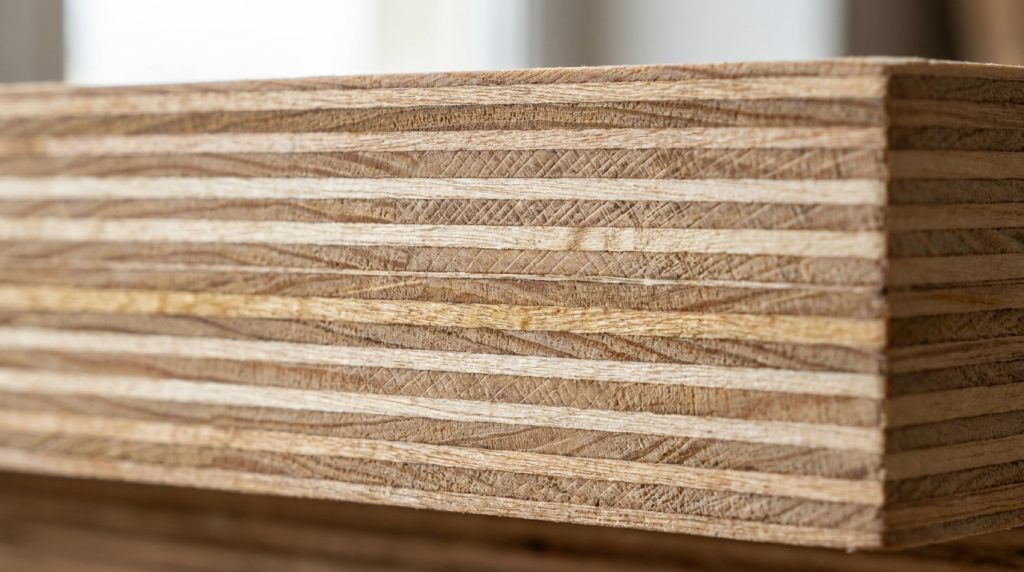
Full thickness, zero gap construction means less material is wasted during production and finishing. Sheets with hollow spots or uneven layers often get reworked or discarded before they even reach a shop, which adds up to more raw material used per usable sheet.
Durability Is Itself a Form of Sustainability
The most overlooked part of sustainability is simple: a sheet that lasts decades instead of years reduces demand on forests over time. Garjanwood’s BWP and termite-resistant grades are built to resist water damage and pest attack, which cuts down the replace-and-discard cycle that’s common with lower-grade plywood.
Responsible Manufacturing Practices
Production happens at a single traceable facility in Sunsari, with consistent quality control across batches. That’s different from fragmented, small-batch local production where standards can vary sheet to sheet.
Final Thought
Sustainability in plywood isn’t just about the tree it came from. It’s about emission levels, wasted material, and how long the final product actually stays in use before it ends up in a landfill.