

Confused why plywood prices vary so much in Nepal? Here’s what actually drives the per square foot price, and how to avoid overpaying for a lower grade sheet.
Why Two “Same Looking” Sheets Can Cost So Differently
Stand two plywood sheets next to each other and they can look almost identical, yet the prices can be worlds apart. The difference isn’t cosmetic. It’s in the grade, the glue, and the wood underneath the surface layer. Most buyers only find out which one they actually bought a few years later, when one sheet is still holding strong, and the other is warping at the edges.

What Actually Drives Plywood Price in Nepal
- Grade: MR, BWR, and BWP each use different resin and testing standards, and price climbs with each step up
- Core wood density and species: denser hardwood cores cost more but hold screws and joints better over years of use
- Adhesive quality: phenolic resin (used in BWP) costs more than urea formaldehyde (used in MR) but performs far better in moisture
- Thickness accuracy: many cheaper sheets run thinner than the size printed on the label, so a “19mm” sheet may not actually measure 19mm
- Certification and brand backing: certified sheets from traceable factories carry a premium, but that premium buys accountability
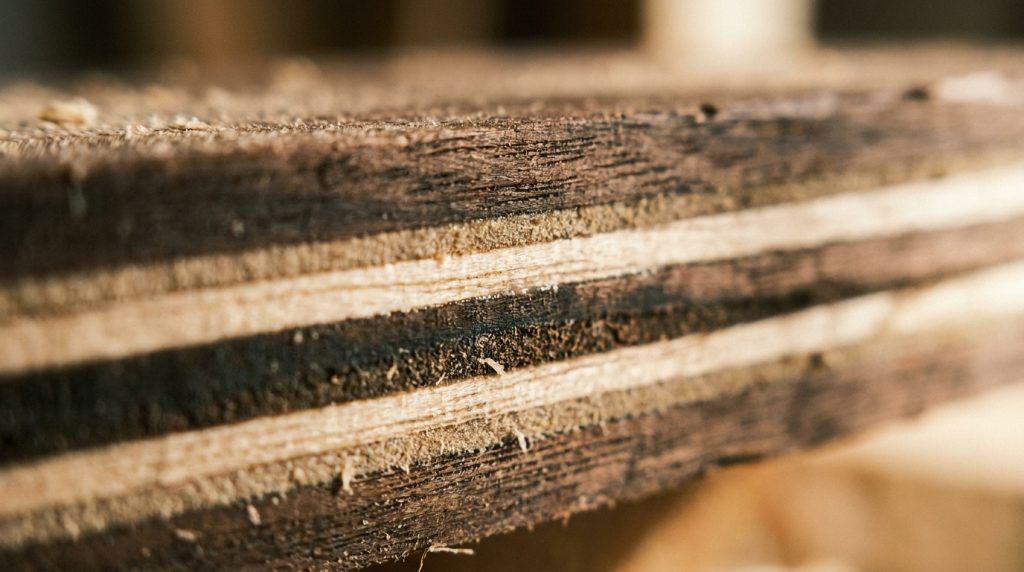
- Number of plies: more, thinner layers cross-bonded in alternating directions generally make a stronger, pricier sheet than fewer thick layers
- Regional transport: prices can shift slightly between Kathmandu, Terai and hill regions due to delivery distance from the factory
Why Location Changes What You Pay
Plywood made in Sunsari or Morang typically costs less in Biratnagar and the surrounding Terai simply because it hasn’t traveled far. The same sheet sold in Kathmandu or Pokhara often carries a slightly higher price once transport across the hills is factored in. This isn’t a markup trick; it’s a real logistics cost, but it does mean the “best price” you find in one city isn’t necessarily the same deal somewhere else. If you’re comparing quotes across regions, always compare the delivered price, not just the shop price.
Thickness Games: How Some Sheets Cheat the Label
One of the more common ways buyers get shortchanged isn’t the grade at all; it’s the thickness. A sheet labeled 18mm that actually measures 16.5mm looks cheaper per sheet, but you’re paying almost the same price for less material. Carry a simple measuring tape when you buy, or ask the dealer to measure it in front of you. It takes thirty seconds, and it’s the easiest way to catch a mismatch before you pay.
The Hidden Cost of Buying Cheap
A cheaper MR grade sheet used in a kitchen or damp area can warp or delaminate within two to three years. At that point, replacement plus labor cost, including removing old fittings and reinstalling new furniture, usually exceeds what a BWP grade sheet would have cost upfront. The lower price tag on day one doesn’t always mean lower cost over time, and it rarely accounts for the disruption of redoing a kitchen or wardrobe you thought was already finished.
A Rough Sense of Where Grades Sit
| Tier | Typical Grade | Best Suited For | Risk If You Choose Wrong |
|---|---|---|---|
| Economy | MR | Dry indoor furniture away from moisture | Swelling and warping if used near water |
| Mid-range | BWR | Kitchens, humid rooms, moderate exposure | Struggles with prolonged direct water contact |
| Premium | BWP / FR | Bathrooms, ground floor, fire-sensitive areas | Overspending if used somewhere that never gets wet |
Exact rates change often and vary by dealer, thickness, and region, so it’s worth confirming current pricing directly with a dealer rather than relying on numbers that go stale quickly.
Questions to Ask Before You Compare Two Quotes
- Is this price per sheet or per square foot, and does it include delivery?
- What grade and thickness is actually being quoted, in writing?
- Is the core hardwood or a mix of softer wood species?
- Does the quote include a warranty, and if so, for how long?
- Has the dealer measured the sheet thickness in front of you?
Final Thought
The real question isn’t “which sheet is cheapest today” but “which sheet actually needs replacing the least.” That’s where the real savings are, and it’s usually not the sheet with the lowest price tag on the shelf.