
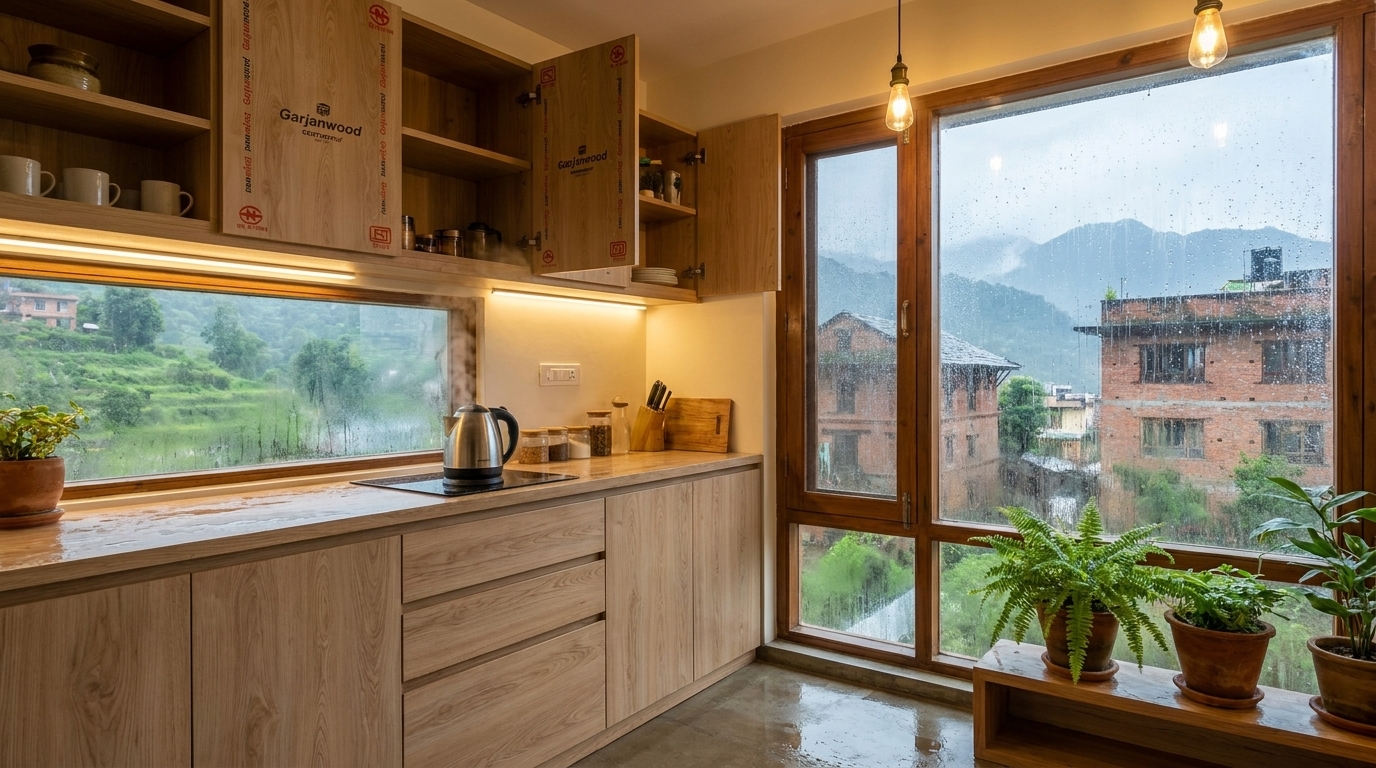
Kathmandu and Terai humidity ruins low-grade plywood fast. Here’s what actually happens during monsoon season and which plywood grade holds up.
What Monsoon Actually Does to Bad Plywood
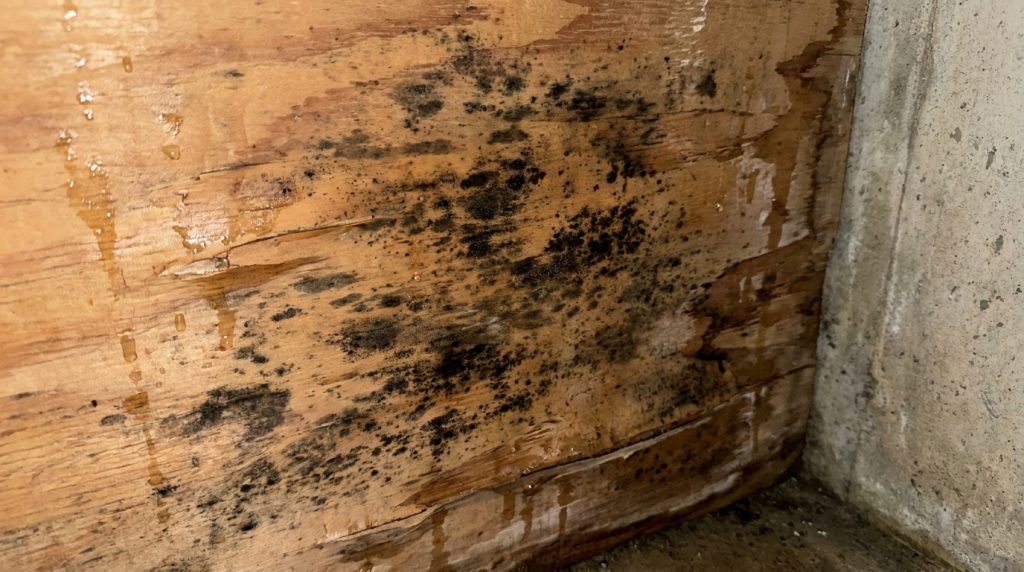
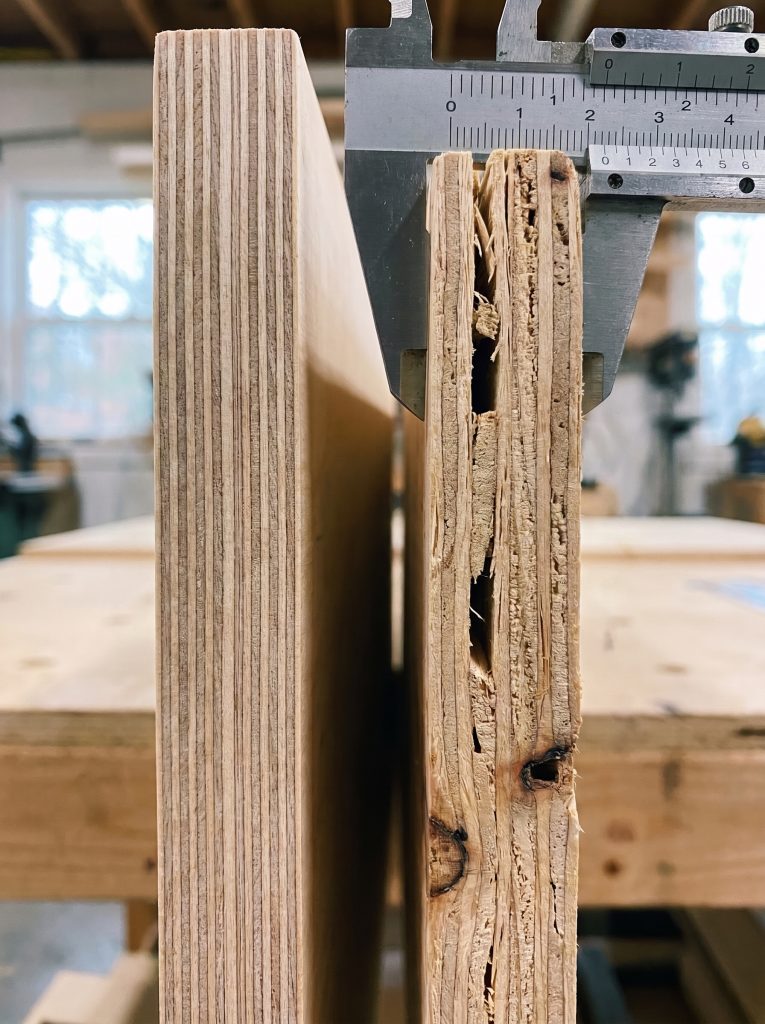
Low-grade plywood doesn’t fail all at once. It starts with swelling at the edges, then the layers begin to separate, a musty smell sets in, and cabinet doors stop closing properly. This usually shows up within one to three monsoon seasons if the wrong grade was used, and by the time it’s visible, the damage underneath the surface is usually already worse than it looks.
Why Humidity Damage Is Progressive, Not Instant
Nobody notices plywood failing on day one. The first monsoon might just leave a slightly musty smell in a wardrobe. The second monsoon might warp a cabinet door just enough that it doesn’t sit flush anymore. By the third, the layers themselves start to peel apart at the edges. Each rainy season adds another round of moisture absorption and drying, and it’s that repeated cycle, not a single storm, that eventually breaks down a low-grade sheet. This is exactly why a sheet can look perfectly fine in the shop and still be the wrong choice for a humid room.
Kathmandu Valley vs Terai: Different Humidity Challenges
Kathmandu deals with trapped, seasonal dampness, especially inside enclosed furniture like wardrobes and kitchen cabinets, where air doesn’t circulate and moisture has nowhere to go. The Terai, including Biratnagar and Sunsari, deals with sustained high humidity combined with heat for much of the year, which speeds up degradation and increases termite and borer activity at the same time. In practice, that means Terai households often need to think about moisture resistance and pest resistance together, not as two separate concerns.
Termites Love Humidity Too
Moisture and pest damage aren’t separate problems; they tend to arrive together. Damp wood is softer and easier for termites and wood borers to get into, which means a sheet that’s already absorbing monsoon moisture is also more vulnerable to insect damage during the same season. This is part of why plywood built for humid regions is usually paired with termite and borer-resistant treatment rather than water resistance alone. Choosing a sheet that only solves one of these problems often means the other one catches up eventually.
The Grade That Actually Matters Here: BWP
Boiled Water Proof (BWP) grade plywood is tested to withstand prolonged water exposure without the layers separating. It’s the right choice for kitchen furniture, bathroom-adjacent cabinets, and ground floor furniture in areas prone to seasonal flooding, not just a premium upsell. For most other indoor furniture that isn’t near a direct moisture source, BWR can be a reasonable middle ground, but anything in a kitchen, a ground floor room, or a consistently humid part of the house is worth the upgrade to BWP.
Ground Floor vs Upper Floor: Does It Matter?
Ground floor furniture in the Terai and in flood-prone parts of Kathmandu faces a different level of risk than furniture on an upper floor. Rising damp from the ground, occasional flooding during heavy monsoon spells, and less airflow near floor level all add up. If you’re furnishing a ground floor room, especially a kitchen, storeroom, or anything close to an exterior wall, BWP grade is worth prioritizing even if the rest of the house uses a lower grade.
A Simple Test Before You Buy
Ask the dealer for a small sample edge and soak it in water overnight. Genuine BWP grade won’t swell or show separation between layers. MR grade, on the other hand, typically shows visible swelling within a few hours. It’s a five-minute check that can save years of regret, and any dealer confident in their product shouldn’t hesitate to let you try it.
| Grade | Behavior in Monsoon Humidity |
|---|---|
| MR | Swells and softens with sustained moisture, not recommended for humid rooms |
| BWR | Handles moderate humidity, may struggle with prolonged direct exposure |
| BWP | Holds up under sustained water exposure without delamination |
Beyond Grade: Habits That Protect Your Furniture
- Leave a small gap behind wardrobes and cabinets for air to circulate instead of pushing them flush against damp walls
- Seal cut edges of plywood with paint or edge banding, since raw edges absorb moisture faster than the sealed surface
- Avoid placing plywood furniture directly against exterior walls that get direct rain exposure
- Air out enclosed cabinets occasionally during the peak monsoon months
Final Thought
Monsoon doesn’t test your plywood once. It tests it every single year. Choosing the right grade upfront, and pairing it with a few sensible habits, is the difference between furniture that lasts a decade and furniture that needs replacing after two rainy seasons.