
Best Affordable Plywood in Nepal: Quality Without Breaking the Bank
Almost every homeowner starts their plywood search with the same question in mind: what’s the cheapest option that will still get the job done? It’s a fair question, since furniture for an entire home adds up fast. But there’s an important difference between cheap plywood and affordable plywood, and understanding that difference can save you a lot of money and frustration over the years.
Let’s walk through how to actually find good value plywood in Nepal, without falling into the trap of paying twice because the first purchase didn’t last.
Cheap and Affordable Are Not the Same Thing
This is the single most important idea in this whole guide, so it’s worth spending a moment on it.
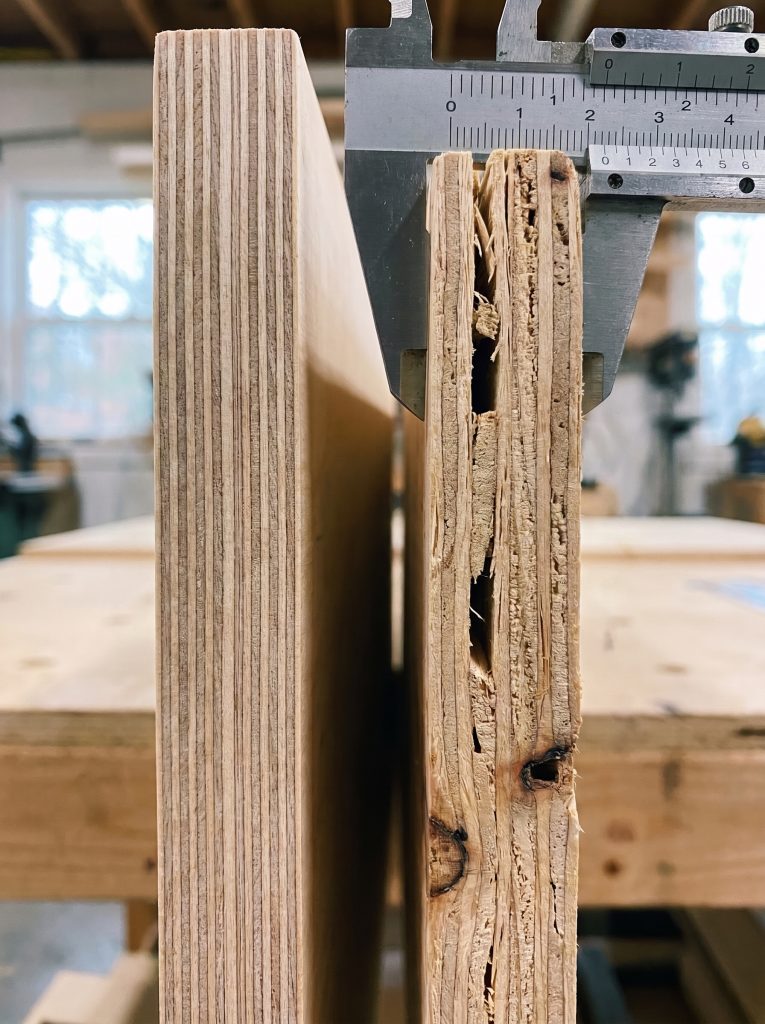
Cheap plywood usually means the lowest price tag you can find on the shelf, often achieved by using fewer veneer layers, weaker adhesive, and lower-density core wood. It might work fine for a year or two, but it tends to warp, sag, or develop gaps sooner than expected.
Affordable plywood means getting a fair price for genuinely solid quality, the kind that holds up for the years you actually expect your furniture to last. It might cost a bit more upfront than the cheapest sheet in the shop, but it ends up costing less per year of actual use.
Once you start thinking in terms of cost per year instead of just the sticker price, the whole decision becomes much clearer.
What Actually Drives the Price of Plywood
Understanding why plywood prices vary so much helps you know exactly what you’re paying for and where it’s safe to save money versus where it isn’t.
- Number of veneer layers: More layers generally mean better strength, but also a higher price. This is a place where paying slightly more is usually worth it for furniture that carries weight, like shelves and cabinets.
- Type of core wood: Denser, better-quality core wood costs more but holds screws and hardware much better over time.
- Treatment and certification: Plywood treated for termite resistance, moisture resistance, or fire retardance costs more to manufacture, but this is exactly the kind of cost that prevents expensive replacements later.
- Brand and manufacturing quality: Established, certified brands typically price their plywood slightly higher than unbranded local sheets, largely because of consistent quality control and genuine treatment processes.
Where to Save Money and Where Not To
Not every rupee needs to go toward the highest grade sheet available. Here’s a practical way to think about where flexibility makes sense.
- Low-use storage furniture, like a simple utility cabinet in a store room, is a reasonable place to choose a more basic, budget-friendly plywood grade.
- High use daily furniture, like kitchen cabinets, wardrobes, and bookshelves that carry weight every day, is where it makes sense to spend a bit more for better bonding and denser core wood.
- Wet area furniture, like kitchen and bathroom units, should never be where you cut costs, since water damage is one of the most expensive problems to fix later.
- Decorative or rarely used pieces, like a display cabinet that mostly holds light items, can reasonably use a more affordable grade without much risk.
How to Get Real Value for Your Money
A few simple habits can help you get genuinely good plywood at a fair price, without overpaying or underbuying.
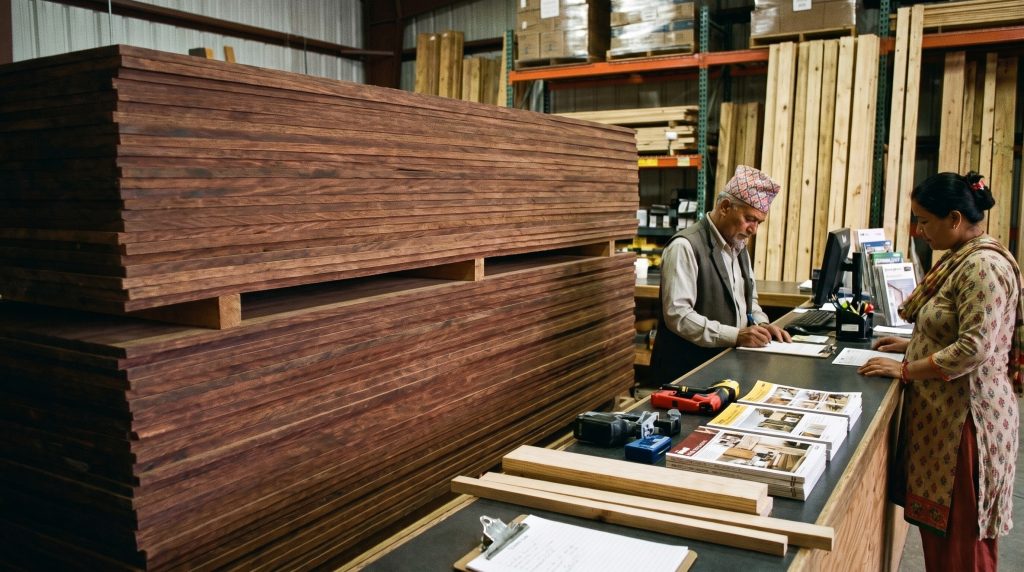
- Compare price per sheet, not just the total quote, since some dealers bundle installation or finishing costs in ways that make direct comparison confusing.
- Ask for the specific grade name, like BWR or MR, rather than accepting vague terms like “good quality” or “premium,” which don’t mean anything on their own.
- Buy from certified, branded sources, since duplicate or unbranded plywood claiming to be a known brand at a lower price is a common way people end up overpaying for poor quality.
- Factor in the warranty into your price comparison, since a slightly higher-priced sheet with a five-year warranty is often a better value than a cheaper one with no warranty at all.
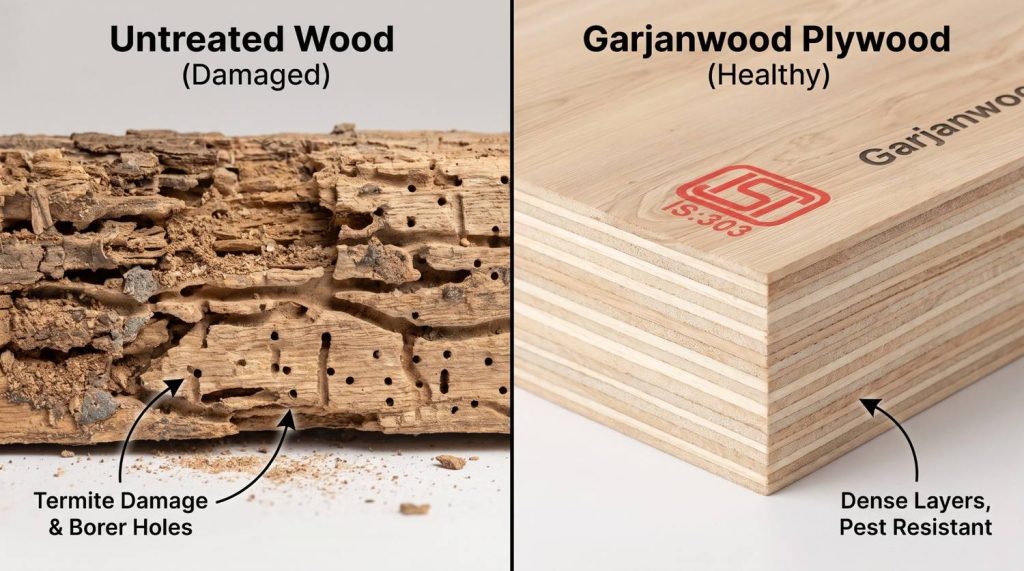
This is exactly the space Garjanwood is designed for: genuine IS:303 certified plywood, with real termite, moisture, and fire retardant treatment, priced for everyday Nepali and Indian households rather than only premium contractors.
A Quick, Honest Comparison
| Furniture Type | Where to Prioritize Spending |
|---|---|
| Kitchen and bathroom cabinets | Water resistant grade, do not compromise here |
| Wardrobes and daily use furniture | Strong bonding and termite resistance |
| Storage or low use furniture | Reasonable to choose a more basic, affordable grade |
| Decorative or rarely used pieces | Budget friendly grade is generally fine |
Final Thought
The best affordable plywood in Nepal isn’t about finding the cheapest sheet in the market. It’s about spending your money where it actually matters, kitchens, bathrooms, and daily-use furniture, while being comfortable choosing simpler grades where the stakes are lower. That balance is what real value looks like.