
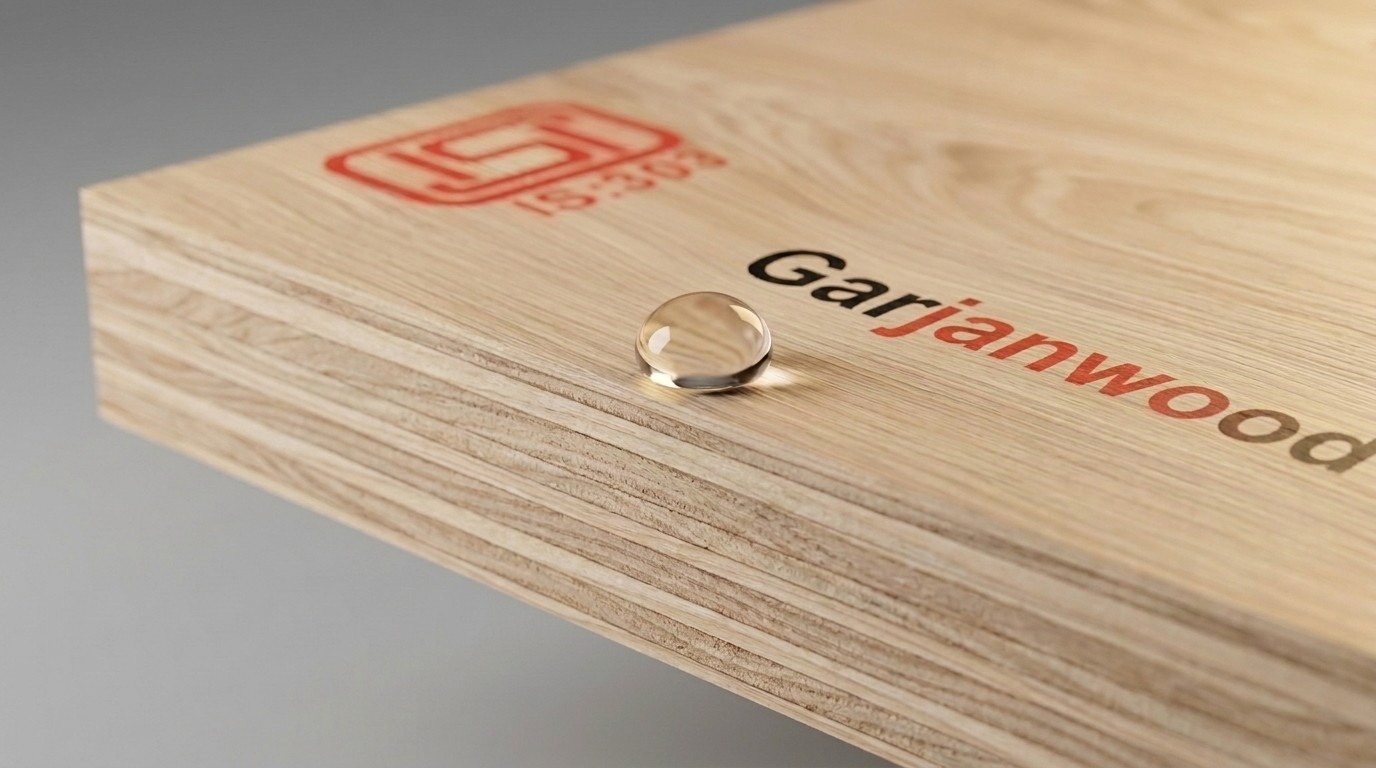
If you’ve ever opened a kitchen cabinet and noticed the bottom panel has swollen up, gone soft, or started peeling apart in layers, you already know exactly why waterproof plywood matters. It usually happens quietly, a small leak under the sink, condensation from a water bottle left too long, or just the general dampness of monsoon season, and by the time you notice it, the damage is already done.
Let’s go through what waterproof plywood actually means, where you genuinely need it, and how to make sure you’re not being sold something that only claims to be waterproof on the label.
What Does Waterproof Plywood Actually Mean?
This is where a lot of confusion happens, because “waterproof” gets used loosely in the market. In reality, plywood falls into a few different grades based on how well it handles moisture.
- MR grade (moisture resistant): Can handle occasional dampness or humidity but isn’t meant for direct or repeated water contact. It’s fine for bedrooms and living rooms.
- BWR grade (boiling waterproof resistant): Built to handle much higher moisture exposure, including occasional water splashing, and is treated with a stronger, more water-resistant adhesive between layers.
- Marine-grade or fully waterproof plywood: Built for constant, heavy water exposure and using the strongest bonding available, though it’s usually priced higher and often more than what a typical home actually needs.
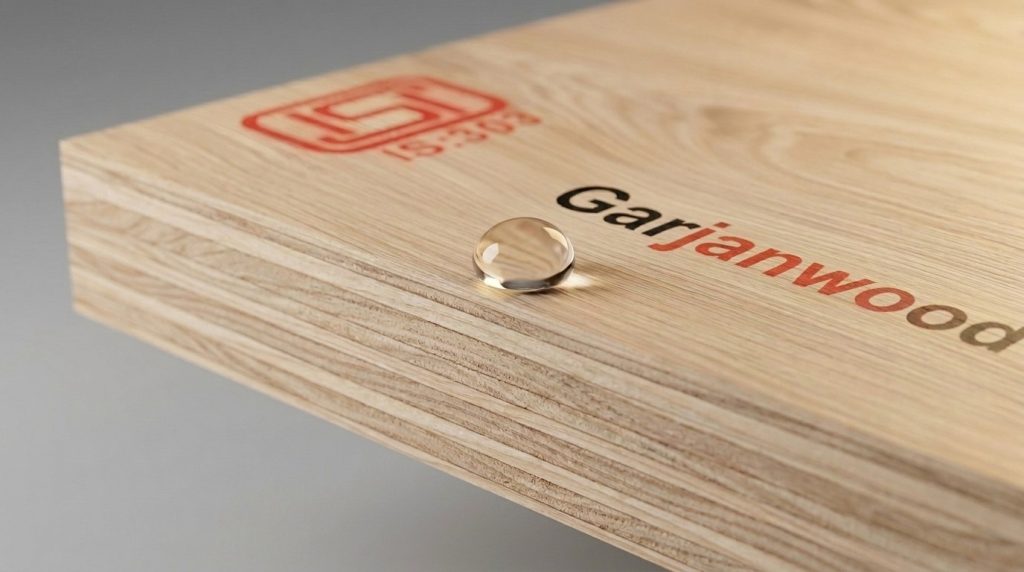
For most Nepali and Indian households, BWR-grade plywood strikes the right balance for kitchens and bathrooms without paying for marine-grade protection you’ll likely never need.
Why Nepal’s Climate Makes This Especially Important
Nepal’s monsoon season brings extended periods of high humidity, and in many regions, actual water exposure from splashing, leaks, or seepage through walls. Ordinary plywood, especially if it isn’t treated at all, absorbs this moisture into its layers over time.
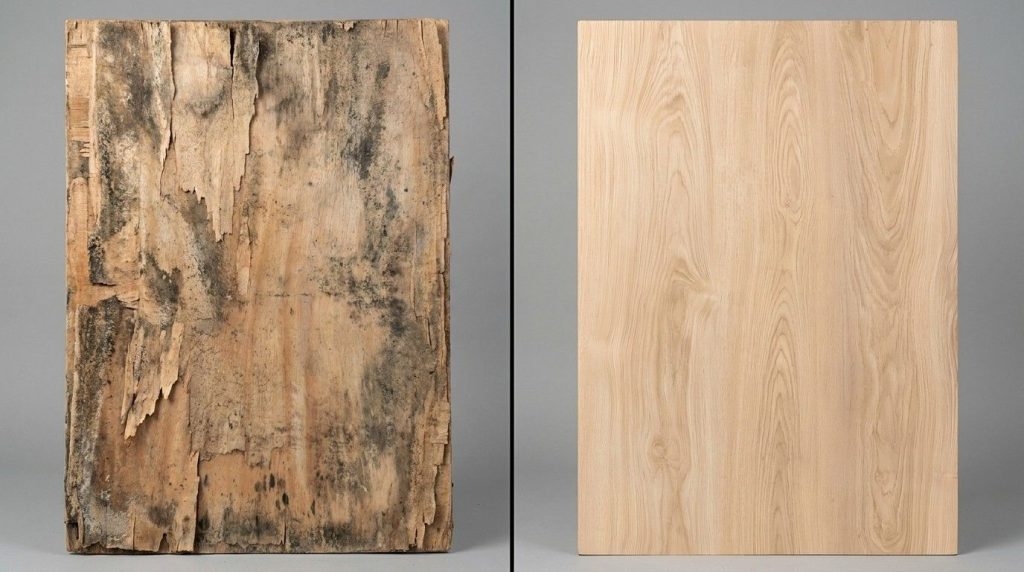
Once moisture gets into the layers, a few things start happening. The wood swells, which puts pressure on the bonding glue between layers. Over time, this leads to delamination, where the layers actually start separating from each other. And moisture trapped inside plywood also creates the perfect environment for termites and fungal growth, which compounds the damage even further.
This is exactly why waterproof plywood isn’t a luxury upgrade in Nepal; it’s closer to a basic requirement for kitchens, bathrooms, and any furniture placed near water sources.
Where You Actually Need Waterproof Plywood
Not every piece of furniture in your home needs the same level of water resistance, so it helps to think room by room.
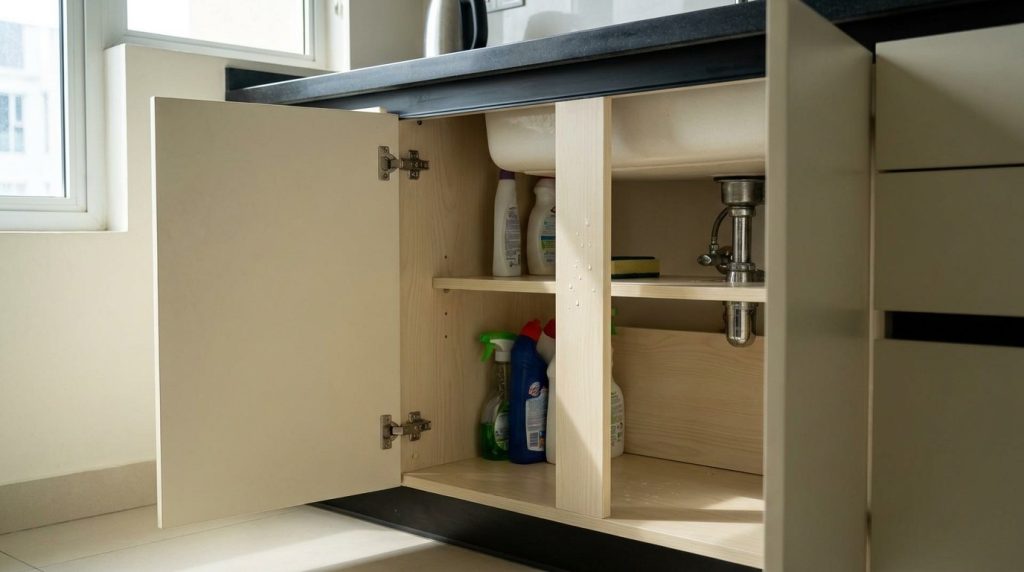
- Kitchen cabinets, especially base units under the sink, need strong water resistance due to constant exposure to splashes, spills, and occasional leaks.
- Bathroom furniture, including vanity units and storage cabinets, needs high water resistance because of both direct water contact and constant humidity in the air.
- Balcony or outdoor adjacent furniture: Needs water resistance due to rain exposure and higher ambient humidity, especially during monsoon months.
- Bedroom wardrobes and living room furniture: Generally don’t need the same level of protection, since they’re in drier, more controlled environments, though basic moisture resistance is still useful.
How to Check If Plywood Is Genuinely Waterproof
Marketing labels can say almost anything, so it helps to verify a few things directly.
- Ask specifically for BWR grade or marine grade plywood by name, rather than just asking for “waterproof plywood,” since the grading terms are more precise and harder to misrepresent.
- Check the edges of the sheet for tightly bonded, gap-free layers, since poor bonding is often where water damage begins, even on plywood that’s technically treated.
- Look for the IS:303 certification stamp, which indicates the sheet has been manufactured and tested to a recognized quality standard.
- Ask about the warranty specifically for water damage, since a brand confident in its waterproofing will usually back it with clear warranty terms.
Waterproofing Works Best Alongside Other Protections
Water resistance on its own doesn’t guarantee long-lasting furniture. It works best when paired with a couple of other qualities.
- Termite and borer resistance: Damp wood is more attractive to pests, so waterproofing and pest resistance really do work together rather than separately.
- Strong structural bonding: Even water-resistant glue needs to be applied properly across every layer to actually hold up over years of use.
Garjanwood combines water resistance with termite and borer treatment and fire retardant properties in the same sheet, so kitchen and bathroom furniture gets complete protection rather than just one piece of it.
A Quick, Honest Comparison
| Area of the Home | Recommended Plywood Grade |
|---|---|
| Kitchen cabinets, especially under the sink | BWR grade or higher |
| Bathroom vanity and storage units | BWR grade or higher |
| Balcony or outdoor adjacent furniture | BWR grade or higher |
| Bedroom wardrobes and living room furniture | MR grade is generally sufficient |
Final Thought
Waterproof plywood isn’t about over-preparing for a flood. It’s about making sure the furniture you use every day in the kitchen and bathroom can handle the everyday reality of splashes, humidity, and Nepal’s monsoon season without quietly falling apart from the inside. Ask for the right grade by name, check the certification, and your furniture will genuinely last the years you’re expecting it to.