
Want furniture that actually lasts for years, not just months? Here’s a simple, honest breakdown of what makes plywood genuinely long-lasting and strong.
Best Long-Lasting and Strong Plywood: What Actually Makes Plywood Durable
Every plywood dealer will tell you their sheets are strong and long-lasting. It’s practically the default sales pitch. But if you’ve ever bought furniture that started sagging, creaking, or coming apart at the joints after just a couple of years, you already know that not all of these claims hold up in real life.
So let’s actually break down what makes plywood genuinely strong and long-lasting, in a way you can check for yourself rather than just taking someone’s word for it.
Strength Isn’t One Thing, It’s Several Things Working Together
A lot of buyers assume strength just means thickness, but that’s only part of the picture. Real durability comes from a combination of factors working together.
- Number of veneer layers: More layers, each running in a different grain direction, distribute weight and pressure more evenly across the sheet, which is what actually prevents warping and bending over time.
- Quality of the core wood: Denser wood species hold screws, hinges, and hardware far more securely than softer, lower-density wood, which matters enormously for cabinet doors and drawers that get used daily.
- Bonding strength between layers: Even the best veneers won’t hold up if the glue between them is weak. This is often where cheaper plywood fails first, with layers gradually separating under stress.
- Overall sheet density: A denser sheet generally resists sagging under weight better, which is especially important for shelving that holds books, dishes, or heavy storage items.
Why Long-Lasting Plywood Needs More Than Just Strength
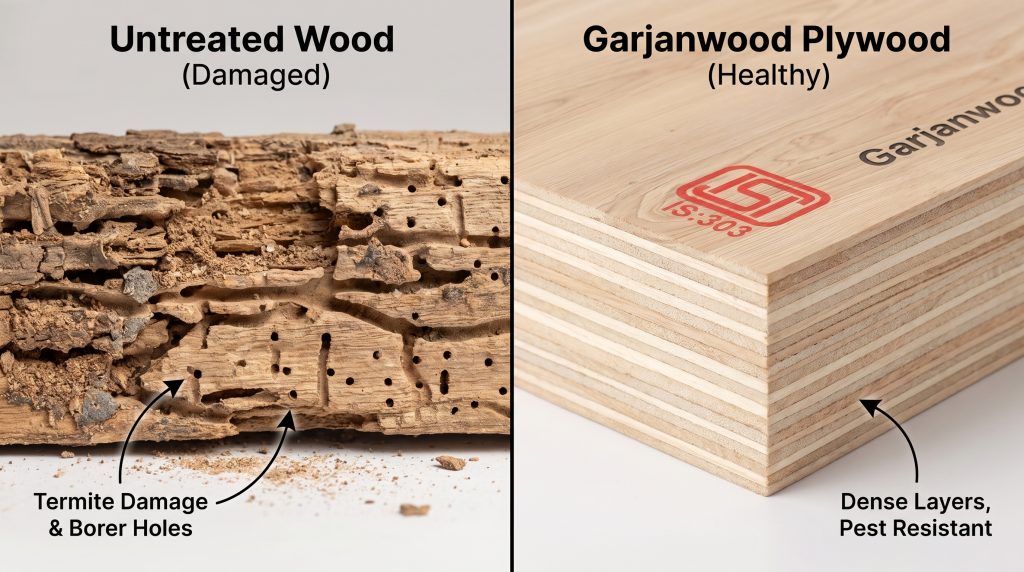
Here’s something that surprises many buyers. A structurally strong sheet can still fail early if it isn’t protected against the everyday threats that plywood faces in Nepal and India.
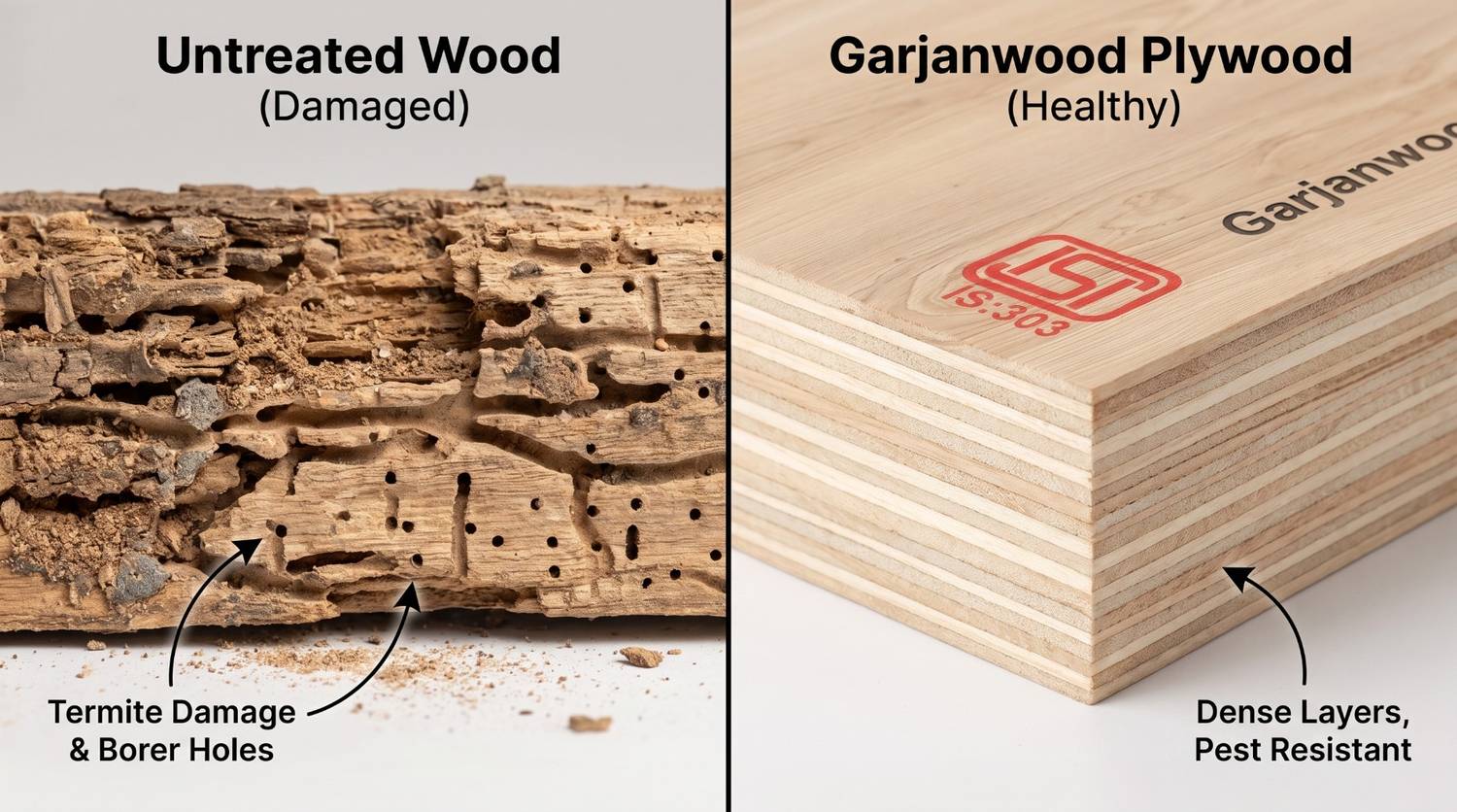
- Termite and borer resistance protects the wood from being hollowed out from the inside, which can happen even to a well-built, dense sheet if it isn’t treated.
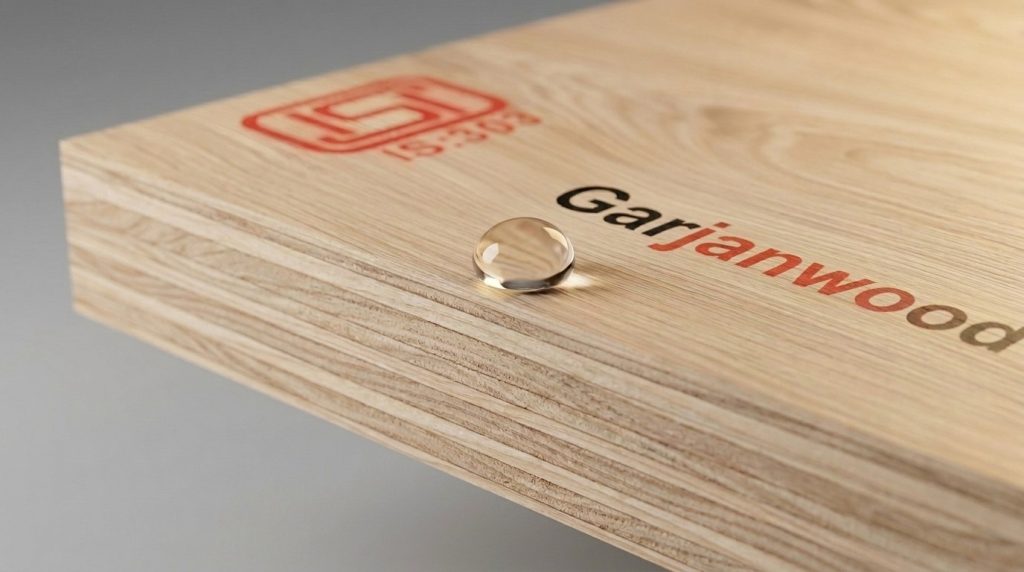
- Moisture resistance prevents the layers from swelling and separating, especially in humid regions or during monsoon season.
- Fire-retardant treatment adds a layer of safety that becomes especially important near kitchens and electrical points.
A sheet can be technically strong on day one, but without these protections, that strength doesn’t actually translate into years of reliable use.
How to Actually Test Strength and Quality Before Buying
You don’t need to be an expert to check plywood quality. A few simple, practical checks can tell you a lot.
- Press firmly on the edge of the sheet. A well-bonded sheet feels solid and doesn’t flex or show any separation between layers.
- Check the edges for visible gaps. Tightly packed layers with no daylight showing through are a strong sign of good bonding.
- Feel the weight relative to the size. A standard 19mm, 8-by-4-foot sheet typically weighs around 36 to 38 kilograms. Noticeably lighter sheets often indicate hollow or low-density cores.
- Ask how many layers the sheet has. More layers at a given thickness generally mean better engineering and stronger performance.
- Look for the IS:303 certification stamp, which confirms the sheet has been manufactured and tested to a recognised quality standard.
What Long-Lasting Plywood Looks Like in Everyday Use
It helps to picture what genuinely strong, long-lasting plywood actually delivers over time, rather than just on the day it’s installed.
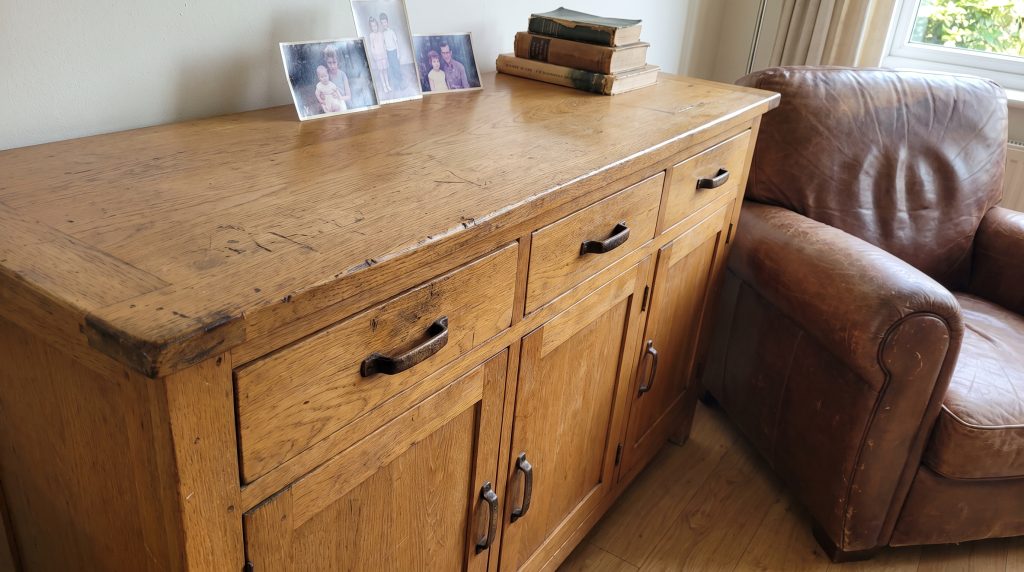
- Doors and drawers that still close smoothly after years of daily use, without sagging or misaligning.
- Shelves that hold their shape under sustained weight, without visible bowing in the middle.
- Edges and corners that stay intact, without chipping, swelling, or separating at the joints.
- Furniture that survives a full monsoon season without warping or developing a musty smell from trapped moisture.
Garjanwood is built around this complete picture: a dense Garjan wood core, multiple well-bonded veneer layers, and full treatment for termites, moisture, and fire, so the strength you see on day one is the same strength you get years later.
A Quick, Honest Comparison
| What You’re Building | What Matters Most |
|---|---|
| Heavy duty shelving or bookcases | Sheet density and layer count |
| Cabinet doors and drawers | Core wood quality and bonding strength |
| Furniture in humid or wet prone areas | Moisture resistance alongside structural strength |
| Long term investment furniture (10+ years) | All factors together: layers, core, treatment, and certification |
Final Thought
The best long-lasting and strong plywood isn’t defined by a single number or a single claim on a label. It’s the combination of solid structural engineering and proper treatment against termites, moisture, and fire, working together over years of real use. Check the edges, check the weight, check the certification, and you’ll be choosing furniture that’s built to actually last.