
Fire-Retardant Plywood: Is Your Home Furniture Actually Safe?
Most people never think about fire safety when they’re picking out plywood for a new kitchen cabinet or wardrobe. It’s usually the last thing on the checklist, if it’s on the checklist at all. But a short circuit near a wooden cabinet, a stove fire that spreads faster than expected, or a candle left too close to furniture during a power cut can turn an ordinary evening into a disaster in minutes.
This is exactly why fire-retardant plywood exists, and why it’s worth understanding what the term actually means before you assume your furniture already has this protection.
What Does Fire Retardant Plywood Actually Mean?
Let’s clear up a common misunderstanding first. Fire-retardant plywood does not mean the wood is fireproof or that it will never burn. Wood is a natural material, and it will burn under enough heat, no matter how it’s treated.
What the fire retardant treatment does is slow everything down. It delays how quickly the plywood catches fire, and it slows the speed at which flames spread across the surface once it does catch. In a real emergency, those extra minutes can be the difference between a small, controllable fire and one that spreads through an entire room before anyone can react.
This is achieved by treating the wood veneers with special fire-retardant chemicals during manufacturing, which interrupt the combustion process at a molecular level rather than simply coating the surface.
Why This Matters More in Kitchens and Near Electrical Points
Fire-retardant properties aren’t equally important everywhere in a home, but there are a few spots where they matter a lot more than others.
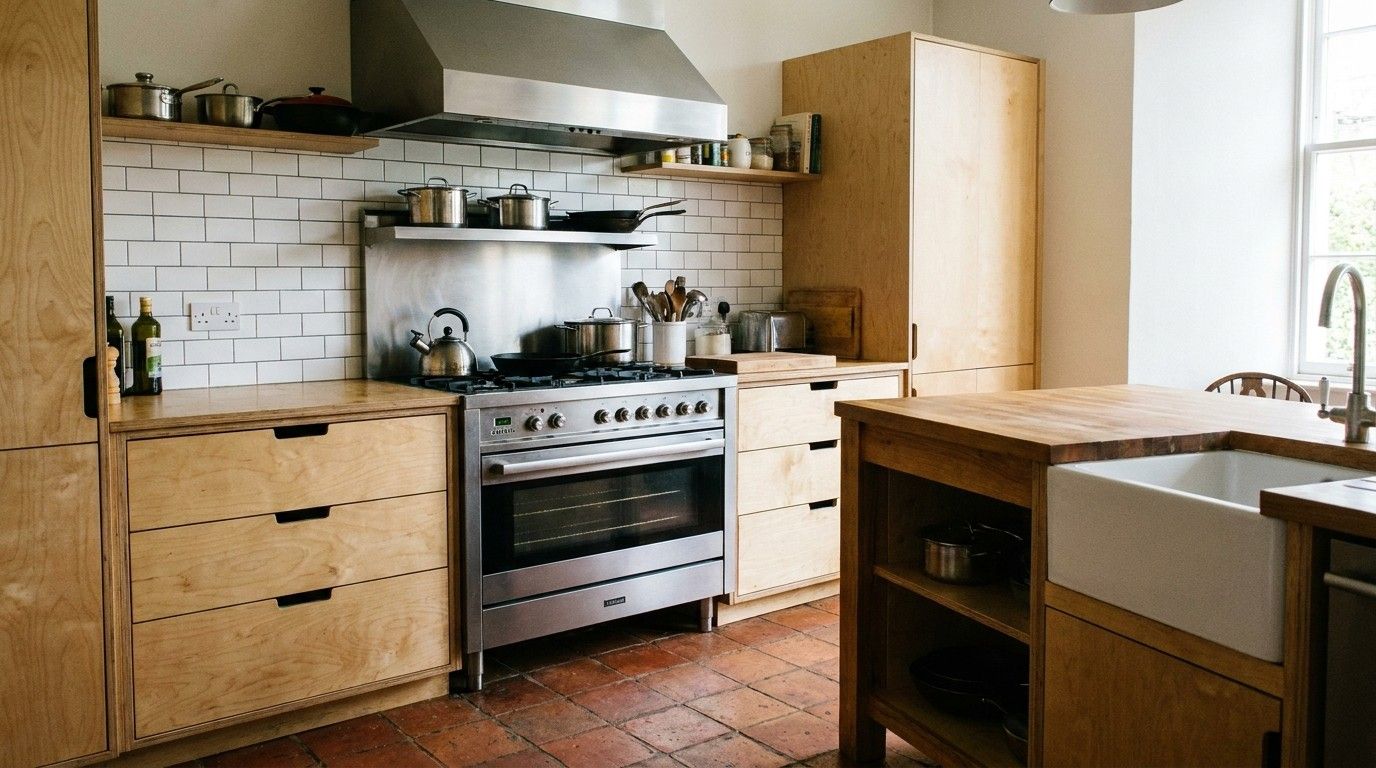
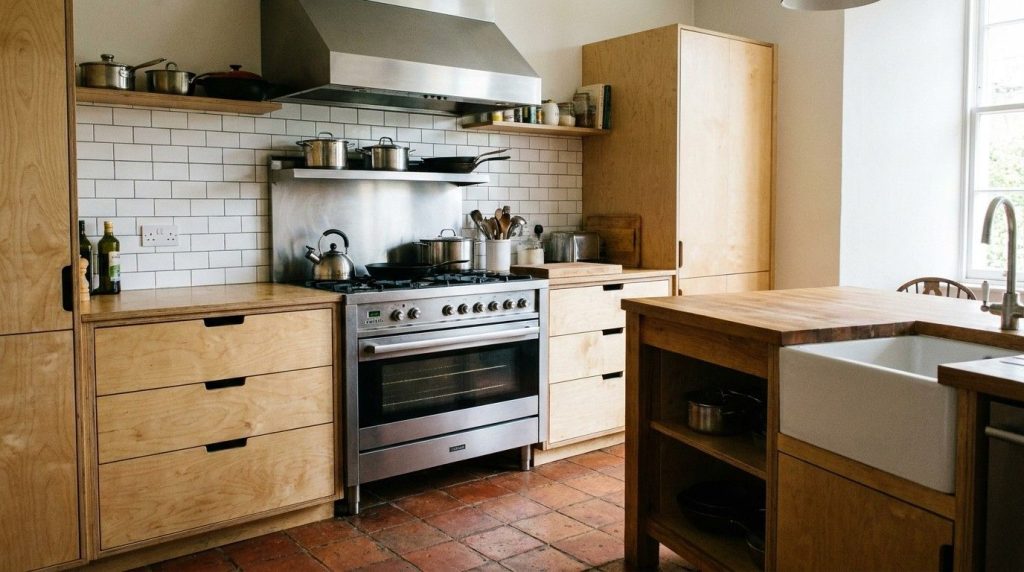
- Kitchen cabinets: These sit close to stoves, hot pans, and sometimes exposed wiring for chimneys and appliances, so the risk of accidental fire exposure is genuinely higher here than in a bedroom.
- Furniture near electrical points: Cabinets near meter boards or extension cord clusters face a higher risk, since short circuits and overheating wires are common causes of household fires in Nepal and India.
- TV units and entertainment centers: These often have multiple electronics and cables running behind or through them, which again raises the exposure risk compared to a simple bookshelf.

If you’re furnishing any of these specific areas, it’s worth actively asking your carpenter or dealer whether the plywood being used has fire-retardant treatment, rather than assuming standard plywood already covers this.
How to Check If Plywood Is Genuinely Fire Retardant
Since this is a safety claim and not just a marketing term, it’s worth verifying properly before you trust it.
- Ask for test certification. Genuine fire-retardant plywood should have been tested against recognized fire safety standards, and a reputable brand should be able to show or explain this testing.
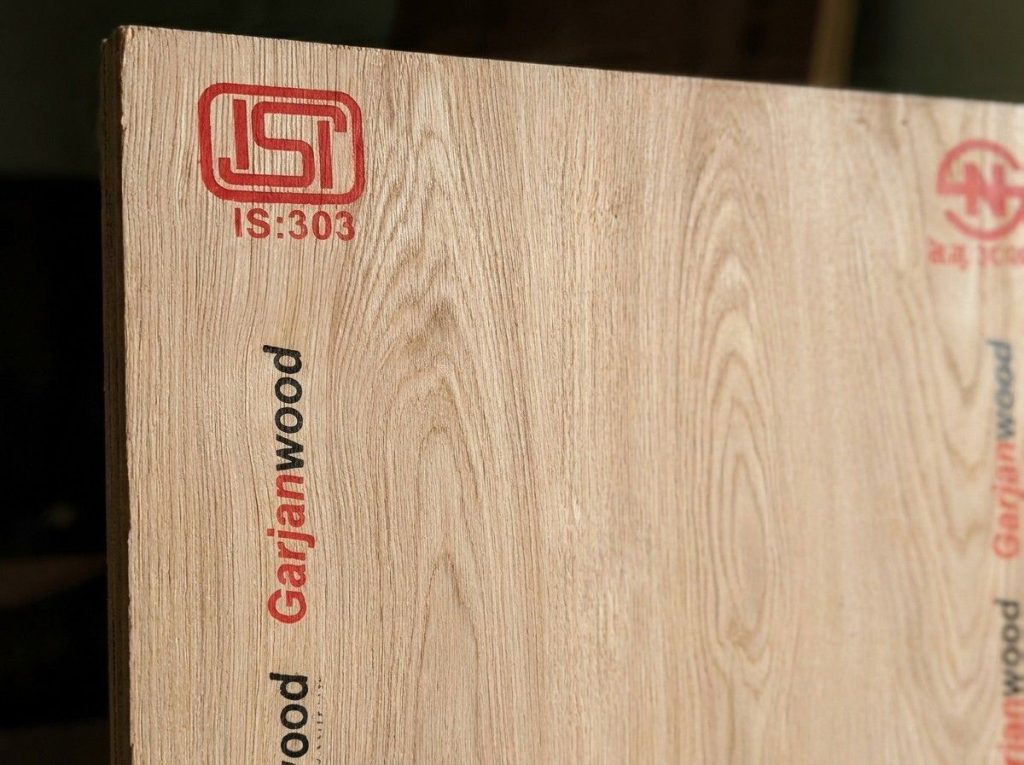
- Check the IS:303 certification stamp. While IS:303 covers overall plywood quality rather than fire performance specifically, buying from certified, branded plywood significantly reduces the risk of getting an untreated duplicate sheet claiming false safety features.
- Ask your dealer directly and get it in writing. If a seller can’t clearly explain how the fire retardant treatment works or refuses to confirm it on the invoice or product documentation, treat that as a warning sign.
- Avoid unbranded or loose sheets sold without any documentation, since fire safety claims are almost impossible to verify on these without lab testing.
Fire Retardant Protection Works Best Alongside Other Qualities
Fire resistance on its own isn’t enough to make plywood genuinely reliable for everyday use. It works best when it’s paired with a few other core qualities.
- Termite and borer resistance: Pest-damaged wood can develop weak, hollow sections that behave unpredictably under heat and stress.
- Moisture resistance: Plywood that has absorbed water over time can warp and develop gaps, which can affect how evenly the fire-retardant treatment performs across the sheet.
- Strong structural bonding: Poorly bonded layers can separate when heated, exposing untreated inner layers more quickly than a well-bonded sheet would.
Garjanwood brings fire retardant treatment together with termite and borer resistance and water resistance in the same sheet, so you’re not choosing safety over durability or the other way around.
A Quick, Honest Comparison
| Area of the Home | Why Fire Retardant Plywood Matters |
|---|---|
| Kitchen cabinets | Close proximity to stoves, hot appliances, and gas connections |
| Furniture near meter boards or wiring | Higher risk of short circuits and electrical overheating |
| TV units and entertainment centers | Multiple electronics and cables running nearby |
| Bedrooms and general storage | Lower risk area, but still benefits from added protection |
Final Thought
Fire-retardant plywood isn’t about making your furniture indestructible. It’s about buying yourself precious extra minutes if something does go wrong, minutes that can protect your family and your home. It’s a small detail to ask about at the time of purchase, but one that genuinely matters far more than most buyers realize.