


There is always someone in the family who insists on solid wood. It feels heavier, looks richer, and carries a kind of status that engineered wood supposedly does not. Meanwhile, half the furniture in that same person’s house- the wardrobes, the kitchen cabinets, the TV unit- is quietly sitting on plywood and doing its job without complaint.
This is the real story behind the plywood vs solid wood debate. It is not that one material is better than the other. It is that people default to solid wood out of habit and perception, without asking whether it is actually the right fit for the room, the budget, or Nepal’s climate.
Here is an honest breakdown to help you decide where each one belongs.
What is Solid Wood
Solid wood furniture is cut directly from natural timber, teak, sal, sheesham, depending on what the maker sources. Every leg, panel, and frame comes from a single piece of wood, carrying its own grain, texture and natural imperfections. That is exactly what gives it its character and its premium feel.
What is Plywood
Plywood is engineered by layering thin wood veneers with the grain of each layer running against the one below it. This cross-layering gives plywood dimensional stability that solid wood simply cannot match, especially as humidity rises and falls through the year.
Quick Comparison
| Factor | Solid Wood | Plywood |
|---|---|---|
| Natural aesthetic | Unmatched, unique grain in every piece | Good, especially with veneer or laminate finish |
| Climate stability | Expands and contracts with humidity, can crack or warp | Dimensionally stable across seasons |
| Moisture resistance | Poor unless treated, swells and cracks over time | Strong in BWR/BWP grades |
| Repairability | Can be sanded and refinished for decades | Limited, surface layer only |
| Weight | Heavier | Lighter, easier to install |
| Cost | Higher, premium investment | More budget-friendly for large furniture |
| Best for | Dining tables, exposed legs, statement pieces | Wardrobes, kitchen cabinets, modular furniture |

Where Solid Wood Genuinely Wins
Anywhere people touch and see the wood directly, solid wood earns its price. A dining tabletop, chair arms, exposed table legs, a carved headboard, these are the pieces where natural grain and long-term repairability actually matter. Solid wood can be sanded and refinished for generations, and that heirloom quality is real, not just marketing.
Where Plywood Wins Decisively
For anything structural or moisture-exposed, plywood is the more dependable choice, and it is not close. Wardrobe carcasses, kitchen cabinet frames, drawer boxes, and wall-mounted units all benefit from plywood’s cross-laminated stability. A solid wood panel spanning six feet will expand and contract with the seasons unless it is built with floating-panel joinery. A plywood panel of the same size stays flat year-round.
This matters more in Nepal than in most places. Kathmandu Valley and the Terai both go through months of high humidity during monsoon, followed by dry winters. That swing is exactly the kind of stress that causes solid wood joints to loosen and panels to crack over a few years. Moisture-resistant plywood, particularly BWR or BWP grade, is built to absorb that swing without losing its shape.
The Hybrid Approach
The best furniture in most Indian and Nepali homes is not purely one material or the other. Professional carpenters already blend the two: plywood for the hidden structural carcass, solid wood or veneer where hands and eyes actually meet the piece. A kitchen cabinet with a plywood body and a solid wood or laminate-finished shutter gets the durability of plywood with the visual warmth people want from wood.
If You’re in a Hurry
- Buying a dining table, bed frame, or statement piece you want to keep for decades: solid wood is worth the investment
- Building wardrobes, kitchen cabinets, or modular furniture: plywood is the more practical and durable choice
- Living somewhere with strong monsoon humidity swings, which includes most of Nepal: lean plywood for anything structural
- Want the look of solid wood without the maintenance: ask your carpenter about a plywood core with a veneer or laminate finish
The Bottom Line
Solid wood is not automatically superior, and plywood is not a compromise. Each does a different job. Choosing between them room by room, rather than picking one material for the whole house, is what actually protects your investment over the years.
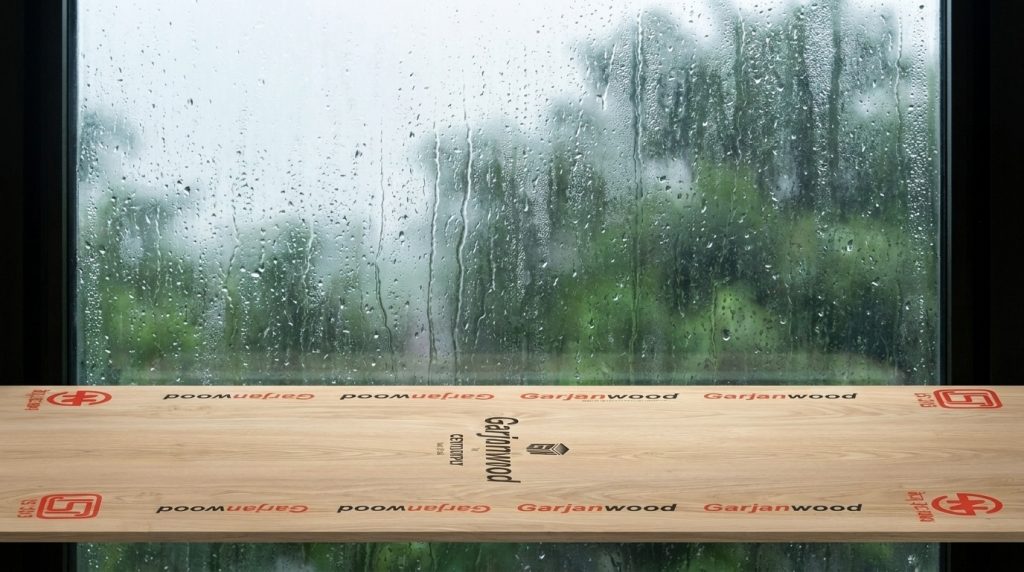
Garjanwood’s plywood range is manufactured at Century Ply Industries in Barju-01, Sunsari, built specifically to handle the humidity swings of Nepal’s climate, with every certified sheet carrying the IS:303 stamp at all four corners