

2026’s Biggest Design Shift Isn’t a Color, It’s a Texture
Every few years, interior design fixes on a new color palette and calls it a trend. What’s happening in 2026 is different. The shift isn’t about which shade of white or grey is fashionable this season; it’s about texture itself: uniform, painted, high-gloss finishes are losing ground to visible, irregular, natural wood grain. Rooms are moving away from the flat, factory-perfect look that dominated the last decade and toward surfaces that show real variation, the kind that comes from an actual tree rather than a printer.
This isn’t a Nepal-specific preference either. It’s a global movement, which is exactly why it’s worth writing about for search traffic beyond Nepal’s borders too. Homeowners everywhere are choosing materials with a visible history over ones that look mass-produced, and wood grain is the clearest, most accessible way to bring that into a room.

What “Biophilic Design” Means in Practice
Biophilic design sounds academic, but the idea is simple: bring the irregularity of the natural world indoors instead of designing it out. In practice, that means:
- Grain lines, subtle color variation, and tactile texture instead of a flat, uniform surface
- Materials that age and show character over time instead of staying artificially identical year after year
- Pairing wood tones with natural light, stone, and greenery rather than synthetic gloss finishes
None of this requires a dramatic renovation. It’s often just a decision to stop covering a surface up.
Why Garjanwood’s Surface Was Already Built for This Trend
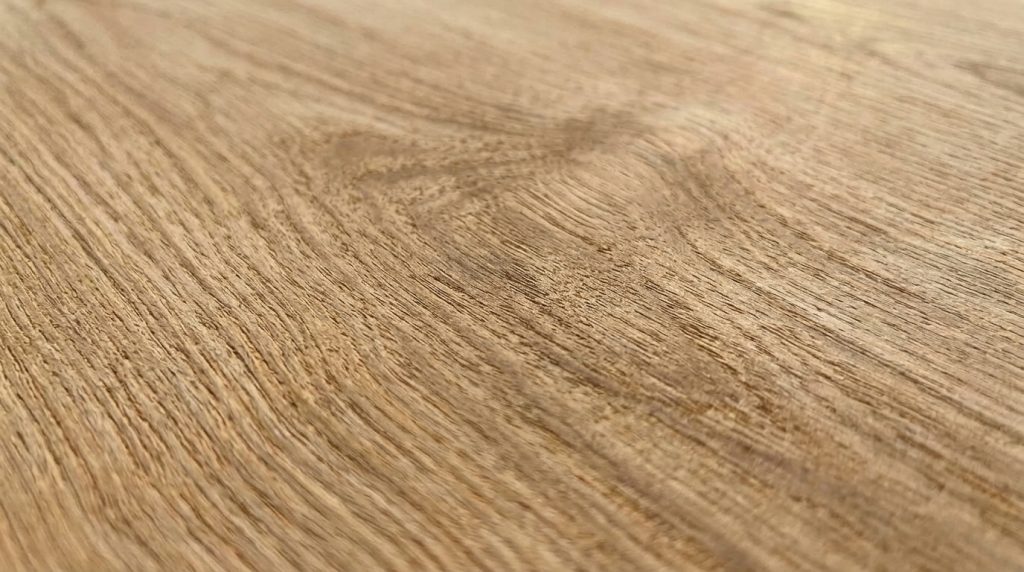
The convenient thing about this shift is that it doesn’t require sourcing something exotic or expensive. Garjanwood’s pale cream-ivory base tone works comfortably with both warm and cool room palettes, which gives it more flexibility than a heavily reddish or dark-toned wood would have. The natural Garjan grain shows genuine variation from panel to panel, not a printed or repeated pattern the way laminate does, so no two installations look identical.
There’s also no need to fake a “reclaimed” look through artificial distressing or textured coatings. The grain is already authentic, which means the aesthetic the trend is chasing is available without the extra processing step that reclaimed-look products usually need.
Where the Natural Grain Look Works Best in a Home
The trend reads strongest where the surface is actually meant to be seen, not tucked away behind cabinet doors or under a coat of paint:
- Feature walls and open shelving, where the grain is the visual focus rather than something hidden
- Kitchen cabinetry left in a natural finish instead of high-gloss laminate
- Furniture pieces meant to anchor a room visually, rather than blend quietly into the background
How to Ask for This Look Without Overpaying for “Reclaimed” Labels
A lot of the reclaimed wood market trades on scarcity and story as much as on the material itself. Genuine natural-grain plywood achieves a comparable aesthetic at a fraction of the cost and without the long sourcing lead times reclaimed wood often involves. When ordering, ask carpenters specifically for a clear or matte natural finish, not a stain that masks the grain underneath, since staining defeats the entire point of the trend. It’s also worth confirming the panel’s certification, so grain authenticity is something you can verify rather than just a claim on a price tag.

Comparison: Achieving the Natural Grain Look
| Surface Option | Grain Authenticity | Cost | Maintenance | Availability in Nepal |
|---|---|---|---|---|
| Natural-grain Garjanwood plywood | Genuine, IS:303 certified | Moderate | Low | High |
| Reclaimed solid wood | Genuine, variable quality | High | Moderate | Limited |
| Wood-effect laminate/vinyl | Printed, repeating pattern | Low | Low | High |
| High-gloss painted panel | None | Moderate | Moderate (shows wear) | High |
Quick Decision Box
If you want the trend without the reclaimed-wood price tag or long wait time, natural-grain Garjanwood plywood is the direct route. If you’re working with a tight budget and don’t mind a printed look up close, wood-effect laminate can get you a version of the same feel. But if you’re renovating a feature wall or open shelving where the grain will be seen up close, always choose a natural finish, never gloss, since gloss is the one choice that undoes the trend entirely.
Nepal Climate Note
A natural, breathable finish also performs better through Nepal’s humidity swings than a sealed high-gloss surface, which can trap moisture at the edges and show lifting sooner. Garjanwood’s natural finish lets the panel handle seasonal humidity changes without the surface stress that gloss coatings are prone to, which means the trend-forward choice here also happens to be the more durable one.
Garjanwood / IS:303 Brand Close
Garjanwood’s pale cream-ivory grain, verified by IS:303 certification stamps and finished at the Sunsari factory, gives designers the authentic natural-wood look the 2026 trend calls for, without the sourcing uncertainty that comes with reclaimed material.