

For furniture makers, contractors, and homeowners in India’s border districts- Bihar’s Kishanganj, Purnia, and Araria, or Uttar Pradesh’s eastern belt near Nepalgunj- sourcing plywood from across the border in Nepal is no longer a fringe decision. It is a growing, documented trade. Nepal exported veneer and plywood worth over NPR 5 billion through the Kakarbhitta customs point alone between mid-2022 and late 2024, and Nepal’s plywood industry has expanded to roughly 80 factories nationwide, many concentrated in the eastern Terai near the Indian border. This post explains why Nepal made plywood India border trade has grown, what makes it commercially attractive for buyers in Bihar and UP, and what to verify before committing to a Nepal-sourced supplier, including the certification issues that have periodically disrupted this trade.
The Trade Relationship Behind the Border
The Nepal-India Treaty of Trade, signed in 2009, provides duty-free access to the Indian market for Nepali-manufactured goods on a non-reciprocal basis, with a short negative list that covers items like cigarettes, alcohol, and cosmetics. Timber products are not on that list. Export items generally need to meet a domestic value addition threshold and a change in tariff classification during Nepal-based processing to qualify for duty-free treatment, a standard condition of the treaty rather than something specific to plywood.
Bilateral trade between Nepal and India is conducted largely in Indian rupees, and the Nepali rupee has maintained a fixed exchange rate against the Indian rupee for decades, at NPR 1.60 to INR 1. That peg removes currency fluctuation risk from cross-border purchasing decisions, unlike sourcing from countries with floating exchange rates. There are 27 designated entry and exit points along the Indo-Nepal border for bilateral trade, and for buyers in Bihar’s northern districts and UP’s eastern Terai belt, several of these crossings sit within a short drive of Nepal’s plywood manufacturing hubs in Jhapa, Morang, and Sunsari.

Why the Volume Has Grown
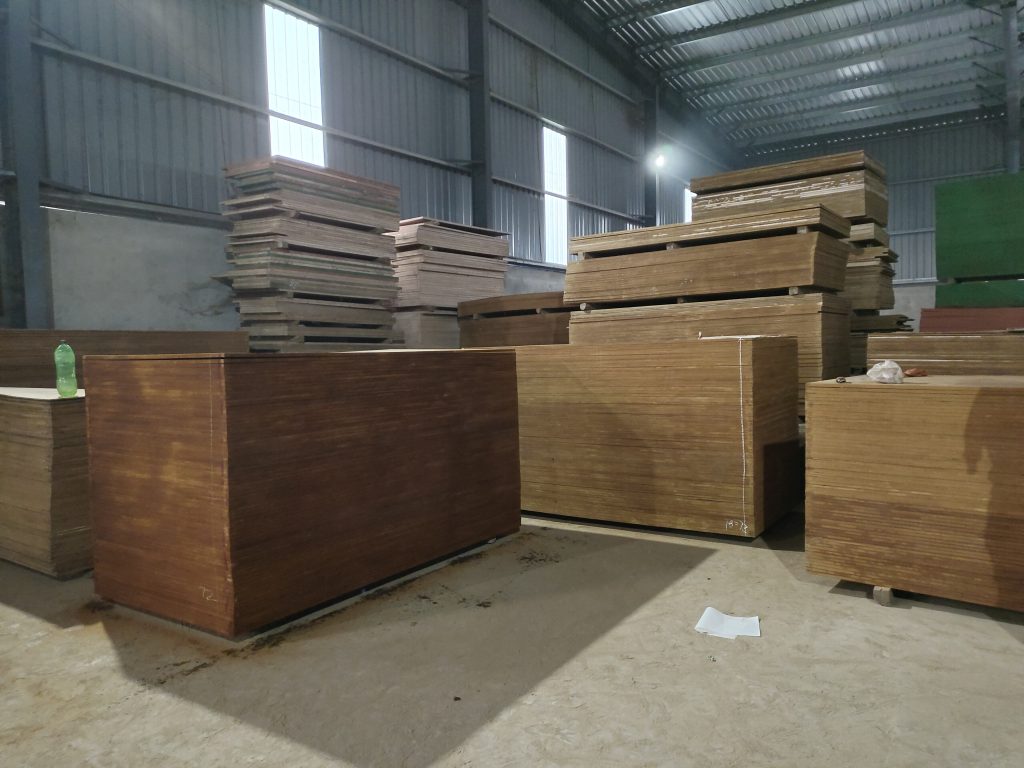
Veneer sheets worth over NPR 736 million and plywood worth over NPR 5.18 billion were exported to India through the Kakarbhitta customs checkpoint alone in the 27 months between July 2022 and October 2024, according to Mechi Customs Office data. Nepal now has more than 120 veneer manufacturing units and roughly 80 downstream plywood factories, with the highest concentration in Jhapa district, giving Indian buyers in nearby border districts a genuine manufacturing cluster to source from rather than a handful of isolated suppliers.
There is also a raw material advantage underneath the trade numbers. Nepal’s plywood industry draws on softwood species like Uttis, Kadam, and Mauwa grown in Nepal’s hill districts, timber that would otherwise go underused, which keeps raw material sourcing comparatively stable versus imported hardwood alternatives used by many Indian manufacturers. For border-district buyers specifically, freight and logistics costs from a Nepal-based factory 50 to 150 kilometres away are often lower than sourcing from plywood manufacturing hubs deeper inside India, frequently 1,000 or more kilometres away.
brp_del_th:null;
brp_del_sen:null;
delta:null;
module: photo;hw-remosaic: false;touch: (-1.0, -1.0);sceneMode: 512;cct_value: 0;AI_Scene: (-1, -1);aec_lux: 0.0;aec_lux_index: 0;albedo: ;confidence: ;motionLevel: -1;weatherinfo: null;temperature: 34;
What Every Cross-Border Buyer Should Verify Before Ordering
India’s Bureau of Indian Standards has periodically required imported plywood to carry BIS certification, and this requirement disrupted Nepal-to-India plywood exports at multiple points in 2024 and 2025, including a documented incident where 34 truckloads of plywood were held at the Kakarbhitta border crossing for over three weeks before being permitted to cross. This is worth knowing upfront, not discovering mid-order.
The practical implication for buyers: always confirm with your supplier, in writing, whether the specific batch you are purchasing has valid BIS certification where required, or falls under a documented exemption, before committing to a large order. Border holdups can delay project timelines significantly, and a written confirmation protects both sides if a shipment is questioned at the crossing.
Ask for the same documentation Nepali dealers already provide domestically: an IS:303 certification mark on the product itself gives buyers a verifiable manufacturing standard independent of the shifting cross-border regulatory situation, and it demonstrates the manufacturer’s underlying quality process even where BIS-specific paperwork is being separately arranged for a given export shipment. Also confirm the delivery route and current border status with your supplier before finalizing timelines, since restrictions have occasionally applied to one crossing, like Nepalgunj, while others, like Kakarbhitta, remained open, or vice versa.
Quick Decision Box: Is Cross-Border Sourcing Right for Your Project?
- Good fit if: you are located within a few hours of a Nepal-India border crossing, you are buying in volume for a project or wholesale stock, and your supplier can provide clear certification documentation and a realistic delivery timeline.
- Proceed carefully if: your timeline is tight and inflexible, since periodic BIS-related border holdups have historically caused multi-week delays, or your supplier cannot confirm current certification status in writing.
- Always confirm: certification status, IS:303 on the product and BIS status for the shipment, current border crossing status, and freight timeline, before committing to a purchase order.

Nepal Sourcing vs Domestic Indian Sourcing: A Side-by-Side Look
| Factor | Nepal Cross-Border Sourcing | Typical Domestic Sourcing (distant hub) |
|---|---|---|
| Distance for eastern Bihar/UP buyers | 50 to 150 km to nearest Nepal cluster | Often 1,000+ km to major Indian plywood hubs |
| Currency exposure | Stable, pegged exchange rate | None, but domestic freight costs higher |
| Duty treatment | Duty-free under 2009 Treaty of Trade, subject to conditions | Standard domestic terms |
| Certification to verify | IS:303 on product, plus current BIS status | BIS as standard |
| Border or logistics risk | Periodic BIS-related crossing delays | Standard domestic freight risk only |
| Manufacturing cluster | Concentrated in Jhapa, Morang, Sunsari | Spread across multiple distant states |
Nepal Climate Note: Monsoon Timing and Cross-Border Logistics
Border-related delays do not happen on a schedule, and when they overlap with Nepal’s June to September monsoon, plywood sitting in open transit or uncovered storage at a crossing point faces real humidity exposure. This is another reason grade matters as much as certification: BWP, boiling water proof, grade plywood tolerates the kind of transit delay and exposure that has occasionally affected shipments at border points, where lower grade material would be more vulnerable to moisture damage before it ever reaches a job site.
Why Garjanwood’s Manufacturing Standard Matters for Cross-Border Buyers
Garjanwood is manufactured at Century Ply Industries in Barju-01, Sunsari, and every sheet carries an IS:303 certification stamp at all four corners, giving Indian buyers a verifiable quality mark that travels with the physical product regardless of which border crossing it comes through. For buyers in Bihar and UP evaluating multiple Nepal-based suppliers, a manufacturer that stamps certification directly onto the product, rather than relying only on paper documentation, reduces the verification burden at the point of delivery, which matters when a shipment has just cleared a border crossing and needs to go straight to a job site or dealer floor.
The Garjanwood Standard
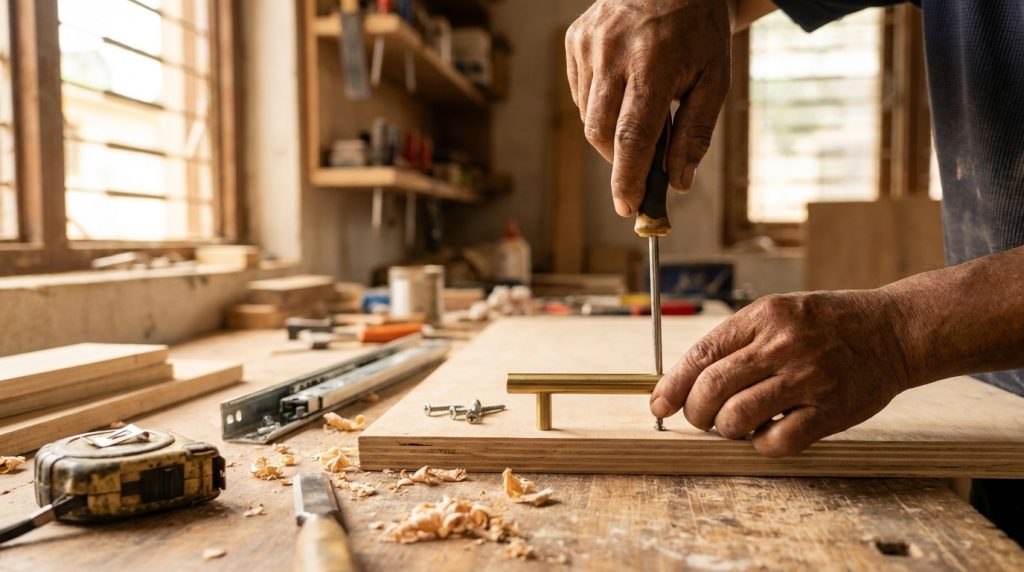
Garjanwood is built in Sunsari with IS:303 certification on every sheet, positioned for both Nepali and Indian buyers who want a verifiable manufacturing standard, not just a lower price. If you are sourcing plywood across the Nepal-India border, ask your supplier or dealer for Garjanwood by name and confirm current certification and delivery timelines before placing a bulk order.